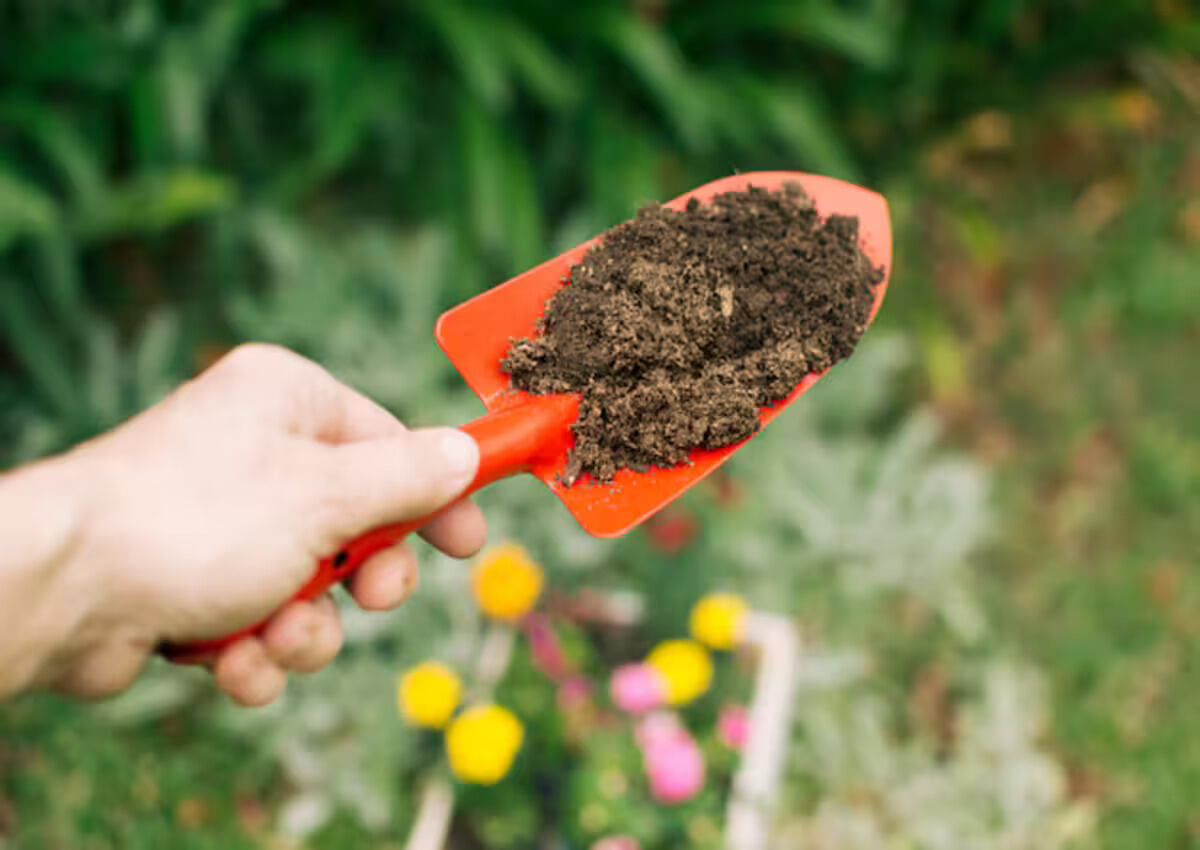
A man doing some wildflower maintenance

How Do You Prepare The Ground For Wildflower Seeds?

Just starting out with gardening? Bringing wildflowers into your yard is a simple yet rewarding way to add natural beauty and color. Whether you’re a complete beginner or have a bit of green-thumb experience, you’ll find wildflowers incredibly easy to grow. Picture yourself scattering seeds and watching vibrant blooms fill your space; it’s that straightforward!

To help your wildflowers thrive, a little prep work goes a long way. Preparing the soil properly can boost your seeds’ chances of successful germination and create a lush, colorful display. We’ve gathered some easy tips to get you started with soil prep and planting so that you can enjoy a flourishing wildflower garden in no time.

A woman handling wildflower seeds

How to Plant Wildflower Seeds

Creating a wildflower meadow is a wonderful way to enjoy a vibrant mix of flowers in your own backyard. Wildflower seeds are straightforward to plant, and once they’re sown, they require minimal maintenance. Imagine a low-effort, high-reward garden that fills your space with color!

To help you get started, here are four simple tips for growing wildflowers from seed. We’ll dive into the best timing, ideal planting locations, and essential steps to prepare your soil for top-notch germination. Plus, we’ll guide you on choosing the perfect wildflower mix to thrive in your specific area.

Make Sowing Wildflower Seeds Easy and Effective

When it’s time to sow your seeds, a little strategy helps make it simple and effective! Scatter the seeds evenly on the soil’s surface, or rake them in lightly. If you find it tricky to spread them evenly, try mixing your seeds with sand—a 6:1 sand-to-seed ratio works well to ensure even coverage. After spreading the seeds, gently press them into the soil using a board or by carefully walking over the area.

Key points to remember for sowing:

  • Spread seeds across the soil or mix with sand for easier handling
  • Press seeds into the soil gently to ensure good seed-to-soil contact
  • Avoid compacting the soil too much for healthy growth

With a bit of care in these steps, you’re giving your wildflowers the best start for fast and healthy germination. In just 7 to 14 days, you’ll likely see the first sprouts popping up. Your garden will soon be filled with vibrant, lively wildflowers that transform the space beautifully.

Find the Ideal Location to Let Your Wildflowers Thrive

Choosing the right spot is key to helping your wildflowers flourish. Look for an area that gets plenty of sunlight—6 or more hours a day is perfect. Wildflowers don’t need top-quality soil, so there’s no need to worry if the ground isn’t very fertile. What they do need is well-drained, loose soil, so avoid compacted areas. Clearing out any weeds or competing plants will also help give your wildflowers the space they need to thrive.

Consider these tips for location:

  • Aim for an area with 6+ hours of direct sunlight each day
  • Ensure the soil is well-drained, even if it’s not very fertile
  • Remove weeds or other plants that might compete with your wildflowers

A thoughtful spot gives your wildflowers the environment they need to reach their full potential. Soon, you’ll have a garden filled with beautiful, colorful blooms that brighten up your landscape. It’s a simple step with a big reward in beauty and color!

Simple Steps to Prepare Soil for Beautiful Wildflowers

Prepping your soil makes all the difference for wildflowers. Begin by removing any weeds in the area, then loosen the top 2 inches of soil with a hoe or rake. There’s no need to go very deep, but it helps to create a soft, welcoming surface for your seeds. Once the soil is ready, give it a good watering and wait about two weeks. If any additional weeds sprout during this time, pull them up before planting.

Follow these steps for easy soil prep:

  • Clear the area of weeds, and loosen the top 2 inches of soil
  • Water well, then wait two weeks to encourage any leftover weed seeds to sprout
  • Remove new weeds before sowing for a clear planting area

With this preparation, your wildflowers will have a perfect environment to grow. A little work upfront creates a space where wildflowers can flourish without competition. Soon, you’ll see a burst of color and life that will make your garden truly stand out!

Start Your Wildflower Planting at Just the Right Time

Knowing when to plant is essential for wildflower success. Mid to late fall is often the best time to plant, as many wildflower seeds need a cold, wet season to break down and prepare for germination. If fall planting doesn’t suit your schedule, early spring is also a good alternative. The key is to give the seeds a seasonal shift that primes them for growth.

For the best results, keep these tips in mind:

  • Fall is ideal for planting to benefit from winter’s natural effects
  • Early spring also works if fall isn’t possible
  • Seasonal changes help ensure better germination

Choosing the right time for planting sets your wildflowers up for strong growth and beautiful blooms. With this timing, your garden will burst into color as soon as the conditions are right. A well-timed start means a garden that brings joy season after season!

Watering Your Wildflower Garden for Lasting Blooms

Proper watering is key to helping your wildflowers grow and thrive. After planting, lightly mist the soil daily if rain is sparse, ensuring it stays consistently moist during the early germination phase. Once established, wildflowers generally need less water and only require occasional watering during extended dry spells.

For best results, remember:

  • Light misting keeps seeds moist without flooding them.
  • Established wildflowers are low-maintenance but appreciate occasional watering in drought conditions.
  • Over-watering can harm wildflowers, so focus on maintaining just enough moisture to encourage growth.

Watering mindfully helps create a robust, colorful garden that will bloom season after season, bringing natural beauty to your space with minimal upkeep.

Managing Wildflowers Throughout the Growing Season

Once your wildflowers are in bloom, minimal care will help them continue to thrive. Removing any invasive weeds that pop up keeps competition down and gives your wildflowers room to flourish. Trimming or deadheading spent blooms encourages new growth and extends the flowering period, creating a continuous burst of color.

Helpful tips for seasonal care:

  • Weed as needed to prevent overcrowding and promote healthy growth.
  • Deadhead fading blooms to encourage new flowers and prolong blooming.
  • At the end of the season, allow some flowers to go to seed to naturally reseed for next year.

Seasonal care keeps your wildflower meadow looking its best, making it a dynamic and self-sustaining addition to your garden year after year!

Choosing the Right Wildflower Mix for Your Garden

Selecting the right wildflower mix is essential to ensure your garden thrives in its specific environment. Consider your local climate, soil type, and sunlight exposure when choosing a mix, as certain wildflower species perform better in specific conditions. Look for regionally-adapted mixes that include a balance of perennials and annuals for consistent blooms over multiple seasons.

Helpful tips for selecting a mix:

  • Look for wildflower mixes tailored to your climate zone and soil conditions.
  • Choose a blend of perennials and annuals for year-round color and seasonal renewal.
  • Prioritize native wildflowers, as they’re more likely to attract local pollinators and flourish naturally.

A well-chosen mix brings a beautiful array of colors and varieties, making your wildflower garden both visually stunning and beneficial to local ecosystems.

Conclusion

Now that you know how to prepare the soil for wildflowers and the best time and method for planting, it’s time to choose the right wildflower mix for your growing zone.

Wildflower mixes are a simple and beautiful way to enjoy a diverse array of blooms. Lotus Landscape offers premium wildflower seed mixes designed to provide a stunning variety of colors, heights, and blooming times to keep your garden vibrant throughout the seasons.

When selecting your wildflower mix, it’s important to consider your climate and local growing conditions. Online resources, including guides from Lotus Landscape, can offer helpful information tailored to your area, ensuring that your wildflower meadow thrives in your specific environment.

Frequently Asked Questions

What types of wildflowers are best for attracting pollinators?

Choosing wildflowers like coneflowers, cosmos, and bee balm can attract a variety of pollinators, including bees and butterflies. These blooms provide nectar and pollen, creating a vibrant ecosystem in your garden!

How much water do wildflower seeds need after planting?

After planting, water your seeds gently every day if there’s no rain to keep the soil consistently moist. Avoid over-watering, as the soil should feel damp but not soggy for optimal germination.

Can wildflowers grow in shady areas?

While most wildflowers thrive in full sunlight, some varieties like foxglove and wild columbine tolerate partial shade. For best results, check the seed mix for shade-friendly varieties suited to your garden’s conditions.

How do I maintain my wildflower garden as it grows?

Once established, wildflowers need minimal maintenance—just occasional watering during dry spells and light weeding. At the end of the season, you can trim or mow to help scatter seeds for the next growing cycle.

What should I do if weeds start growing among the wildflowers?

Spot-weeding is a great way to reduce competition while your wildflowers grow, especially in the early stages. Gently remove weeds by hand, avoiding any disturbance to the wildflower roots nearby.

A gardener preparing the soil

How To Sow Wildflower Seeds?

To achieve the best results with wildflower seeds, it’s key to tailor your sowing method to your specific project. Understanding the terrain and the area size will help you choose the most effective approach for maximum germination and growth.

For smaller spaces, hand-sowing may work best, while larger areas may require tools for even distribution. Taking the time to match your method to your project’s needs ensures a successful, vibrant wildflower display.

A hand planting seeds

Effective Wildflower Seed Seeding Techniques for Every Landscape

Whether you’re working with a small garden bed or a larger field, choosing the right method for sowing wildflower seeds is essential for success. From hand-broadcasting to hydroseeding and drill seeding, each technique offers unique advantages tailored to specific landscapes and project sizes. With these proven approaches, you’ll ensure even seed distribution, strong seed-to-soil contact, and the best possible environment for your wildflowers to thrive.

Seeding Made Simple

For small to medium areas, broadcast seeding offers a straightforward way to sow wildflowers. For smaller spaces, you can scatter seeds by hand or with a hand-held spreader, and adding a carrier like vermiculite or dry sand helps with even distribution. Aim for a 1:1 or 2:1 ratio of carrier to seeds, ensuring the mix spreads smoothly across the area and increases your chances of even growth.

After spreading, gently rake the seeds into the soil, covering them about 1/8 to 1/4 inch deep. For larger areas, consider a larger broadcast seeder mounted on an ATV to ensure uniform coverage. Finishing with a roller or lightly dragging a piece of chain-link fence over the area will press the seeds into the soil for optimal contact and growth, helping your wildflowers establish a strong start.

Effortless Coverage with Hydroseeding

Hydroseeding is a practical solution for establishing wildflowers on challenging terrains like steep slopes or rocky areas, where traditional methods may fall short. This technique sprays a blend of wildflower seeds, water, and often mulch, fertilizer, and tackifiers onto the soil. The mulch, typically made of wood fiber or paper, holds wildflower seeds in place, retains moisture, and protects against erosion.

For optimal wildflower growth, experts recommend applying seeds with only 5-10% of the mulch first, adding the rest afterward to secure effective seed-to-soil contact. This step-by-step approach prevents seeds from getting suspended in the mulch, boosting germination and promoting uniform growth across uneven landscapes. Hydroseeding is also ideal for projects needing rapid vegetation, like land restoration, as it naturally blends with surroundings and provides a vibrant, stable wildflower cover.

Hydroseeding not only supports fast wildflower growth but also stabilizes soil in erosion-prone areas. Its ability to deliver uniform coverage quickly makes it highly effective for large, challenging sites, creating a lush, resilient landscape. This method’s added benefits, like erosion control and moisture retention, ensure a flourishing, colorful wildflower display that enhances any environment.

Preparing Soil for Successful Wildflower Growth

Before seeding, taking time to prepare the soil can significantly improve germination and growth. Clear away any weeds or debris to create an open planting area, and loosen the soil to enhance root penetration and water retention. For optimal results, ensure the soil is well-drained and free of compaction, as this will give your wildflowers the best possible environment to thrive.

Tips for Maintaining Your Wildflower Meadow

Once your wildflowers are established, minimal maintenance will keep them healthy and vibrant. Occasional watering during dry spells and light weeding can help reduce competition and support growth. At the end of the season, consider trimming or mowing to scatter seeds naturally, encouraging a full, colorful meadow each year.

Precise Seed Placement with Drill Seeding

For large areas, such as one acre or more, drill seeding offers an efficient and effective method. A seed drill places seeds in neatly spaced rows at a controlled rate, pressing the soil over them to ensure solid contact and promote germination. For areas without prepared seed beds, a no-till drill seeder is particularly useful, cutting narrow “V” grooves in the soil, depositing seeds, and pressing the soil back over them for a strong start.

No-till drills designed specifically for wildflower seeds perform best, as they often come with three seed boxes tailored for fluffy, large, and small seeds. This feature helps distribute a variety of seed types evenly, optimizing growth and reducing competition between species. Ensure that the drill depth is no more than 1/4 inch to give your wildflowers the best chance to establish and thrive across the landscape.

Conclusion

Choosing the right seeding method tailored to your area and terrain is essential for a thriving wildflower garden. From small hand-broadcasting projects to large-scale drill seeding, each approach supports optimal growth and germination under different conditions. With careful preparation and good seed-to-soil contact, these methods ensure a robust, colorful display of wildflowers that will flourish beautifully across your landscape.

Frequently Asked Questions

What type of wildflower seeds should I choose for my climate?
Selecting seeds suited to your climate is essential for a thriving garden. Look for region-specific or native wildflower mixes to ensure your plants are adapted to local conditions.

How long does it take for wildflower seeds to germinate?
Wildflower seeds typically germinate within 7 to 30 days, depending on the seed type and weather conditions. Warmer temperatures and consistent moisture usually speed up the process.

Should I water wildflower seeds after planting?
Yes, watering after planting is crucial for germination. Keep the soil consistently moist until seedlings establish, especially during dry periods.

Can wildflowers be sown in shaded areas?
While most wildflowers prefer full sun, some varieties, like foxglove and columbine, can tolerate partial shade. Check your seed mix to ensure compatibility with your garden’s light levels.

What’s the best time of year to plant wildflower seeds?
For most wildflowers, mid-to-late fall or early spring is ideal, as these seasons provide natural moisture and temperature changes. This timing helps seeds establish and ensures strong growth in the next growing season.

A person holding mix wildflower seeds with soil

Can You Just Throw Mix Wildflower Seeds?

Adding mix wildflower seeds to your garden is a wonderful way to enhance your home’s natural beauty. Not only do they create a colorful display, but they also support vital pollinators such as bees, butterflies, and other beneficial insects. These tough plants are easy to grow and can be sown almost any time of the year. While it might be tempting to simply scatter the seeds and hope for the best, some preparation is necessary to ensure optimal growth, especially when planting mix wildflower seeds in grassy areas.

A person planting mix wildflower seeds

Can I Simply Scatter Mix Wildflower Seeds on My Lawn?

If you’re thinking about planting a beautiful wildflower meadow, some preparation is required for the best results. While it may seem easy to just throw mix wildflower seeds on your lawn, it’s not the most effective approach. For successful germination and growth, the soil needs to be prepared first. This means that simply scattering wildflower seeds over your existing grass likely won’t lead to a flourishing wildflower garden.

To ensure your wildflowers have the best chance of growing, it’s important to clear the area beforehand by removing grasses, leaves, and any other debris. This step reduces competition from other plants, allowing your wildflower seedlings to establish themselves more easily. After the lawn is cleared, you can then follow a detailed guide on how to properly sow wildflower seeds for the best growth results.

For optimal results, planting mix wildflower seeds is most effective in early spring or autumn, with autumn being the best season. When you plant during autumn, the seeds have time to settle and germinate, resulting in an earlier and more vibrant display of wildflowers the following year. With the right preparation and timing, your lawn can transform into a stunning wildflower meadow.

Planting a mix of wildflower seeds in grassy soil

Is It Possible to Scatter Mix Wildflower Seeds Over Grass?

Yes, it is indeed possible to scatter mix wildflower seeds on grass and still achieve some growth. However, it’s important to understand that competition from the existing plants in that area can hinder the wildflowers from thriving to their full potential. If you’re considering tossing wildflower seeds into a grassy section of your garden, some extra preparation is needed to ensure your wildflowers grow as beautifully as you envision!

To successfully sow mix wildflower seeds onto grass, we recommend thoroughly scarifying the area where you plan to scatter the seeds. Ensure that the soil is well scarified, which means it should appear broken up with visible gaps between the existing grass. This method disrupts the current grass growth, allowing the wildflowers a fighting chance to compete. Additionally, scarifying helps the wildflower seeds make better contact with the soil, promoting effective germination and growth. With the right preparation, your wildflower seeds can flourish even amidst the grasses in your garden!

Two women are reading a book on wildflowers

Can I Plant Mix Wildflower Seeds Anywhere Else?

Yes, wildflowers can grow in various environments, but the type of mix wildflower seeds you choose will influence how well your garden blooms. Some seed mixes without grass create a vibrant, floral display, while mixes with grass provide a more balanced, year-round habitat for wildlife like bees, butterflies, and birds.

Our Mix Wildflower Seeds are specially formulated to thrive in a range of conditions, whether you’re planting in a garden, meadow, or open landscape. With the right mix, you can transform any space into a beautiful, pollinator-friendly environment, no matter the setting.

A wildflower Virginia Bluebells

How Can Our Mix Wildflower Seeds Transform Your Garden?

Transform your garden with our Mix Wildflower Seeds, a premium blend of wildflowers carefully selected to bring vibrant color and life to your outdoor space. This mix is specially curated to provide an array of blooms throughout the season, enhancing your garden’s beauty while supporting vital pollinators like bees, butterflies, and hummingbirds. By planting these seeds, you’re contributing to a thriving ecosystem and enjoying the visual rewards of a flourishing, easy-care garden.

Our Mix Wildflower Seeds are versatile, making them an ideal choice for home gardens, community spaces, or larger landscaping projects. Whether you’re new to gardening or a seasoned pro, this mix offers simplicity and success in a variety of environments, ensuring your outdoor space will bloom beautifully.

Reasons to Choose Mix Wildflower Seeds

  • Vibrant, Ever-Changing Blooms: Enjoy a season-long display of colorful wildflowers.
  • Supports Pollinator Health: Provides essential resources for bees, butterflies, and other pollinators.
  • Easy Care: Once established, wildflowers require minimal maintenance.
  • Eco-Friendly: Contributes to biodiversity by creating a habitat for local wildlife.

How to Plant Mix Wildflower Seeds

  1. Prepare the Soil: Clear weeds and grasses from the planting area, and loosen the top layer of soil for better seed contact.
  2. Scatter Seeds Evenly: Distribute the Mix Wildflower Seeds across the prepared soil, ensuring even coverage.
  3. Rake Lightly: Gently rake the area to cover the seeds slightly, helping them take root in the soil.
  4. Water Gently: Moisten the soil with a soft watering, being careful not to displace the seeds. Keep the soil moist until seedlings sprout.
  5. Maintain Watering: Continue watering regularly until the young plants are well established.

With Lotus Landscape’s Mix Wildflower Seeds, you can create a vibrant, wildlife-friendly garden that’s both beautiful and sustainable. Watch your garden bloom into a lively, colorful space while contributing to the health of local ecosystems.

A clock surrounded by a pot of herbs

When Is the Best Time to Plant mix wildflower seeds?

While wildflower seeds are versatile and can be planted at various times of the year, timing your planting around seasonal conditions will give you the most vibrant results. mix wildflower seeds thrive best when planted during specific seasons, avoiding the harsher winter months. It’s recommended to refrain from sowing seeds in late fall or winter, as cold temperatures and frost can hinder germination.

For optimal growth, planting your mix wildflower seeds in early spring or autumn offers the best chance for success. If you plant in early spring, around March or April, you can expect to see beautiful blooms by mid to late summer, typically around 60-80 days after sowing. Alternatively, sowing in autumn allows the seeds to settle in before winter, leading to a lush and colorful display as early as the following spring.

Best Times to Plant:

  • Spring: Plant between March and May for blooms that flourish by late summer.
  • Autumn: Sowing seeds in September or October will lead to a vibrant wildflower garden by the next spring, providing a head start before the cooler months arrive.

No matter which season you choose, planting mix wildflower seeds is a fantastic way to enhance your outdoor space, creating a natural habitat for pollinators and adding a burst of color to your garden. With the right timing, these seeds will adapt to their environment and provide a stunning landscape for years to come.

A bee on a wildflower purple loosestrife

Benefits of Planting mix wildflower seeds in Spring

Sowing mix wildflower seeds in spring offers numerous advantages that can lead to a thriving and vibrant garden. With the arrival of warmer temperatures and increased rainfall, spring creates the perfect environment for seed germination. Here are some key benefits of planting mix wildflower seeds during this season:

  1. Optimal Germination Conditions: As temperatures rise and the days get longer, the soil warms up, providing ideal conditions for mix wildflower seeds to sprout. The consistent moisture from spring rains further enhances germination rates, helping seeds to take root effectively.
  2. Early Blooms: mix wildflower seeds typically begin to bloom 60-90 days after sowing in spring. This means that by the time summer arrives, your garden will be transformed into a colorful oasis, filled with diverse blooms that not only beautify your landscape but also create a vibrant habitat for local wildlife.
  3. Attracting Wildlife: A flourishing wildflower garden in full bloom during the summer months draws a variety of pollinators, including bees, butterflies, and hummingbirds. These essential creatures contribute to the overall health of your garden ecosystem and promote biodiversity.
  4. Less Competition: Planting mix wildflower seeds in spring allows the flowers to establish themselves before the heat of summer. This gives them a head start against weeds and other competing plants, increasing their chances of thriving.
  5. A Fresh Start: Spring symbolizes renewal and growth, making it a psychologically uplifting time to plant. The anticipation of vibrant blooms can inspire you to cultivate a beautiful outdoor space, enhancing your gardening experience.
Fallen leaves during the autumn season

Benefits of Planting mix wildflower seeds in Autumn

  1. Optimal Germination Conditions: The mild temperatures and consistent rainfall of early autumn create a nurturing environment for mix wildflower seeds. This moisture-rich atmosphere allows seeds to establish strong roots before winter sets in, promoting robust growth.
  2. Early Spring Blooms: By choosing to plant mix wildflower seeds in autumn, you can look forward to an impressive display of flowers as early as spring. This early blooming period not only enhances the beauty of your garden but also provides a welcome sight after the cold winter months.
  3. Reduced Pest and Bird Activity: During autumn, there is typically a decrease in the number of pests and birds that can damage newly sown seeds. This reduction means that your mix wildflower seeds are less likely to experience stress or damage, allowing for healthier and more vigorous growth.
  4. Less Competition: By planting in autumn, wildflower seedlings have the advantage of establishing themselves without competing with weeds or other plants that typically thrive in the warmer months. This leads to a stronger and more resilient wildflower meadow.
  5. Enhanced Soil Preparation: Autumn planting allows the soil to undergo natural processes, such as frost action, which can improve soil structure and nutrient availability. This creates an optimal environment for your mix wildflower seeds to thrive when spring arrives.

Sowing mix wildflower seeds in autumn not only sets the stage for a vibrant spring display but also provides a range of benefits that contribute to a healthier garden ecosystem. With careful planning and a bit of patience, your wildflower garden can become a stunning testament to the beauty of nature!

Conclusion

Planting mix wildflower seeds is a fantastic way to transform your garden into a vibrant haven for bees, butterflies, and other essential pollinators. While it may be tempting to simply scatter these seeds on your lawn, taking a few extra steps will ensure a successful and flourishing wildflower display. By preparing the soil, clearing away competition from existing grass and debris, and choosing the right time to plant, either in early spring or autumn, you’ll create an inviting environment for these beautiful plants to thrive.

Incorporating wildflowers into your garden not only enhances its beauty but also contributes to local biodiversity and the health of our ecosystems. When you choose high-quality mix wildflower seeds, like those from Lotus Landscape, you’re investing in a sustainable future for your garden. As the wildflowers bloom throughout the season, you’ll enjoy a colorful and lively outdoor space that attracts and nourishes vital wildlife. So, get ready to roll up your sleeves and start planting! Your efforts will not only yield a beautiful garden but also a thriving sanctuary for our furry and winged friends.

For expert guidance and premium mix wildflower seeds, trust Lotus Landscape to help you create the garden of your dreams. Transform your outdoor space today!

FAQs

1. Can I just throw mix wildflower seeds on my lawn?

While you can scatter wildflower seeds, proper soil preparation is essential for the best results. Clearing grass and debris first will give your wildflowers a better chance to grow.

2. When is the best time to plant mix wildflower seeds?

The ideal times are early spring or autumn. Spring planting leads to summer blooms, while autumn planting allows seeds to establish before winter.

3. What are the benefits of planting wildflowers?

Wildflowers enhance your garden’s beauty, support pollinators, require minimal maintenance, and promote biodiversity.

4. Can I plant mix wildflower seeds in different environments?

Absolutely! Mix wildflower seeds can thrive in gardens, meadows, and open landscapes, depending on the seed mix you choose.

5. How can I ensure successful germination of my wildflower seeds?

Prepare the soil by clearing weeds and loosening the top layer. Then scatter the seeds evenly, lightly rake them in, and water gently to keep the soil moist.

A person is planting a mix wildflower seeds

How To Plant Mix Wildflower Seeds To Grow A Beautiful Wildflower Garden

Are you just starting out in gardening? Planting mix wildflower seeds is a fantastic way to enhance the charm of your outdoor space. Regardless of your gardening experience, you can achieve great results. It’s nearly as easy as scattering the seeds across the soil. However, to maximize germination success, we’ve compiled some essential tips for soil preparation and planting techniques.

A woman is reading in a garden

The Best Ways to Plant Mix Wildflower Seeds for a Flourishing Meadow

Creating a wildflower meadow is a delightful way to showcase a stunning variety of blooms. Planting mix wildflower seeds is a simple task, and they need little maintenance once established.

Here are four straightforward tips to help you successfully cultivate wildflowers from seed. We’ll cover the best times and locations for planting mix wildflower seeds, effective planting methods, and how to prepare the soil for optimal seed germination. Plus, we’ll guide you in selecting the right mix wildflower seeds that thrive in your specific environment.

Timing for Planting Mix Wildflower Seeds

The best time to plant mix wildflower seeds is mid to late fall, as many wildflower varieties need a cold and moist period to naturally break down their seeds for successful germination. This process, called cold stratification, helps ensure the seeds are ready to sprout with the warmth of spring. Fall planting allows nature to do most of the work, providing ideal conditions for the seeds to settle in and prepare for a beautiful bloom in the upcoming season.

Alternatively, you can sow mix wildflower seeds in early spring for blooms later in the year. If planting in spring, consider pre-treating the seeds by soaking them in water or cold stratifying them in the fridge for a week or two to simulate winter conditions. Whichever season you choose, be mindful of your local climate to ensure the best results and enjoy a vibrant wildflower garden throughout the growing season.

Choosing the Right Location for Planting Mix Wildflower Seeds

Select a spot that enjoys at least six hours of sunlight each day when planting mix wildflower seeds. There’s no need to stress about soil fertility, as wildflowers are resilient and thrive in less-than-ideal soil conditions. However, ensure that the soil is well-drained and aerated, avoiding any compacted areas. Additionally, be sure to clear the planting site of weeds and other plants to minimize competition.

Preparing the Soil for Mix Wildflower Seeds

To effectively prepare the soil for sowing mix wildflower seeds, begin by pulling out any existing weeds in the area. Next, use a hoe or rake to break up the surface of the ground. There’s no need to dig too deeply; loosening the top 2 inches of soil will suffice. This process creates a favorable environment for the seeds to settle in.

Once you’ve loosened the soil, thoroughly water the area to ensure it’s well-hydrated. Then, allow the soil to rest for a couple of weeks. During this time, keep an eye out for any new weeds that may sprout. If you notice any, be sure to pull them out promptly. By taking these steps, you’re setting the stage for a thriving wildflower garden, free from competition that could overshadow your beautiful blooms.

Planting Mix Wildflower Seeds

When you’re ready to plant your mix wildflower seeds, you have a couple of options: you can either sprinkle the seeds directly onto the soil or lightly rake them into the top layer. If you struggle with evenly distributing the seeds, mixing them with sand can make the process easier. A helpful guideline is a ratio of 6 parts sand to 1 part seeds for optimal coverage.

After you’ve spread the seeds, gently press them into the soil. You can do this by using a board or by walking softly across the area. This step ensures that the seeds are in good contact with the soil, promoting better germination. However, be cautious not to overly compact the soil. If there’s no rain in the forecast, make sure to mist the area daily to keep the seeds moist. Typically, you can expect your mix wildflower seeds to germinate within 7 to 14 days, paving the way for a beautiful display of flowers!

Planting a mix wildflower seeds

Selecting the Perfect Mix Wildflower Seeds

Now that you’ve learned how to prepare your soil, as well as when and how to sow your seeds, it’s time to choose the ideal mix wildflower seeds for your growing environment.

Mix wildflower seeds offer a stunning and effortless way to cultivate a diverse array of flowers. Our premium seed mix from Lotus Landscape is carefully curated to include a variety of colors, heights, and blooming periods, ensuring a vibrant display throughout the growing season. Transform your garden into a lively oasis for bees, butterflies, and hummingbirds while contributing to the health and sustainability of local ecosystems.

When selecting your wildflower mix, it’s essential to take into account your specific climate and growing conditions. Online resources, such as articles from local agricultural extensions, can provide valuable information tailored to your area. Our mix wildflower seeds are preselected for particular U.S. zones, ensuring that you choose the right mix for your zone. This will include both native species and wildflowers that are well-suited to thrive in your climate.

A person dating the wildflower seed mix

Tips for Successfully Planting Wildflower Seeds

  • Timing is Key: The best time to plant wildflower seeds is during mid to late fall.
  • Sunlight Requirements: Ensure that your wildflowers receive at least 6 hours of sunlight each day.
  • Soil Preparation: Start by clearing away weeds and creating a 2-inch layer of loosened topsoil.
  • Sowing Seeds: Distribute the seeds by sprinkling them evenly and gently raking them into the soil.
  • Moisture Maintenance: Keep the soil damp and consider covering it with straw to retain moisture.
  • Choose the Right Mix: Select a wildflower mix that is suitable for your specific growing zone.

Conclusion

Creating a beautiful wildflower garden is an exciting journey for any gardener, regardless of experience level. With the right approach and a little patience, you can cultivate a vibrant space that brings joy to your outdoor environment. Planting mix wildflower seeds is not only straightforward but also immensely rewarding. By following the essential tips outlined in this guide, you can prepare your soil, choose the right seeds, and enjoy a colorful display that attracts beneficial pollinators like bees, butterflies, and hummingbirds.

Timing is a crucial factor in your planting process. Mid to late fall is ideal for sowing wildflower seeds, allowing them to undergo the necessary cold stratification for optimal germination. If you’re eager to get started in the spring, remember to prepare the seeds accordingly to enhance their chances of sprouting. Choose a sunny spot in your garden where the wildflowers can bask in at least six hours of sunlight each day. Wildflowers are resilient and can thrive in various soil conditions, making them perfect for those who may not have the ideal garden setup.

Soil preparation plays a significant role in the success of your wildflower garden. Clearing out existing weeds and loosening the top 2 inches of soil creates a welcoming environment for the seeds. Remember, this doesn’t require deep digging—just a gentle touch will do! After watering the area thoroughly, let the soil rest for a couple of weeks, keeping an eye out for new weeds. This preparation will ensure that your wildflowers have the best chance to thrive without competition.

When it’s time to plant, sprinkle the seeds evenly or mix them with sand for better distribution. Press them lightly into the soil, ensuring good contact, and mist the area regularly if rain isn’t in the forecast. Within a week or two, you can expect to see the first signs of life from your wildflowers, which will gradually bloom into a stunning display.

Choosing the right mix of wildflower seeds tailored to your specific environment will enhance the beauty and sustainability of your garden. Our premium seed mix at Lotus Landscape is thoughtfully curated to ensure a diverse array of blooms throughout the growing season. By selecting seeds that are well-suited to your climate, you contribute to the health of local ecosystems and create a lively oasis in your garden.

With minimal maintenance and a little care, your wildflower garden will flourish year after year. Enjoy the process and embrace the beauty of nature right in your backyard. Ready to make your garden a pollinator paradise? Check out the premium mix wildflower seeds from Lotus Landscape today and start your journey towards a vibrant, thriving garden!

FAQs

1. What are the best times to plant mix wildflower seeds?

The ideal times for planting mix wildflower seeds are mid to late fall or early spring. Fall planting allows seeds to benefit from cold stratification, while spring planting provides a chance for vibrant blooms later in the season.

2. How much sunlight do wildflowers need?

Wildflowers thrive best in locations that receive at least six hours of sunlight each day. This exposure helps ensure healthy growth and abundant blooms.

3. How should I prepare my soil for wildflower seeds?

Begin by clearing the area of weeds, then loosen the top two inches of soil using a hoe or rake. This preparation helps create an ideal environment for seed germination.

4. Can I grow wildflowers in poor soil?

Yes! Wildflowers are resilient and can thrive in less-than-ideal soil conditions. However, make sure the soil is well-drained and aerated to promote healthy growth.

5. How do I maintain my wildflower garden once it’s planted?

Once your wildflower garden is established, it requires minimal maintenance. Keep the area moist initially, and then let nature take over. Many wildflowers will reseed themselves, allowing for new blooms each year.

Add to cart