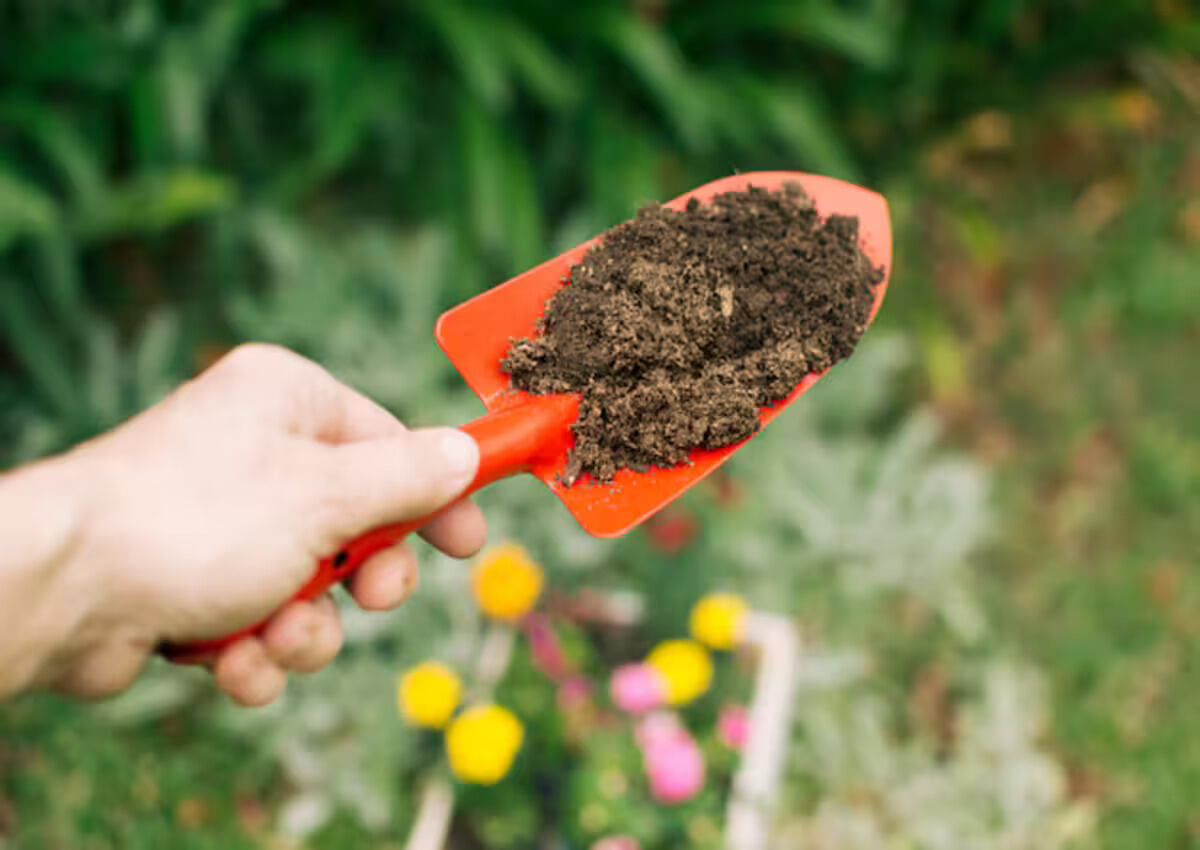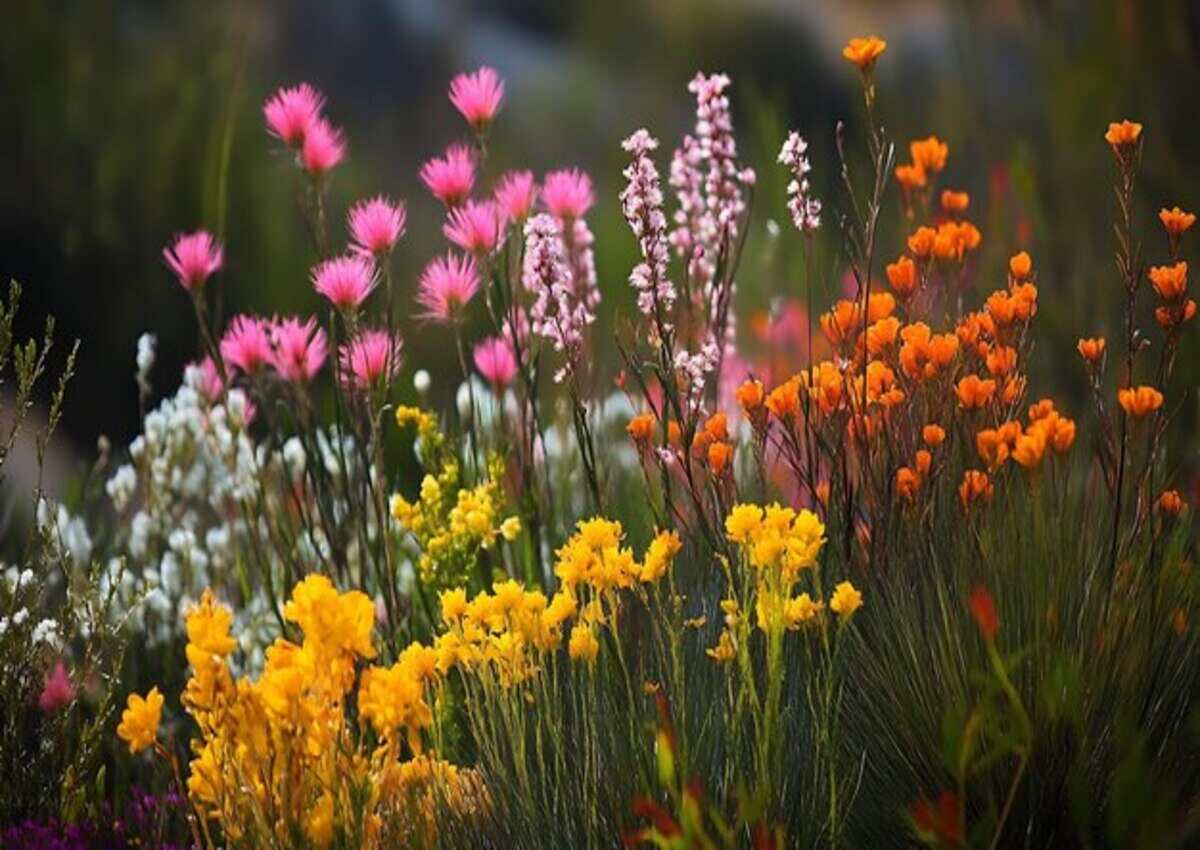
gardener making a natural compost

How To Use Natural Compost As Fertilizer In Your Garden?

Compost is a blend of natural materials like decomposed food scraps, plants, and organic waste that helps enrich soil. It provides essential nutrients such as nitrogen, phosphorus, and potassium, while also boosting the soil’s ability to retain those nutrients over time.

Fertilizers, whether chemical or organic, are applied to directly nourish plants. They supply key minerals like nitrogen, potassium, and phosphorus vital for plant development and increased yield.

Both compost and fertilizer serve distinct yet complementary roles in supporting plant growth and maintaining healthy soil. Using them together can improve crop outcomes and promote more sustainable growing practices across various environments.

natural composting with food wast

Compost and Fertilizer: What Sets Them Apart?

The key difference between compost and fertilizer lies in their function. Compost improves the overall health and structure of the soil, while fertilizer delivers targeted nutrients directly to plants. Because of this, compost is typically used more broadly to support soil life, whereas fertilizers are applied in precise amounts to meet specific plant needs.

Fertilizer can boost soil nutrient levels, helping plants grow faster. However, it doesn’t contribute much to the long-term health of the soil’s ecosystem. To maintain healthy, balanced soil, compost is essential; it supports microbial life and enhances soil texture over time.

Both compost and fertilizer come in organic and synthetic forms. Organic options are gentler on the environment and help preserve soil quality. Chemical-based products can be effective but should always be applied with care to avoid damage. If you’re working within a budget, organic fertilizer can still be an affordable and reliable choice for healthy plant growth and long-term soil sustainability.

Why Use Compost and Natural Fertilizer?

Healthy soil is full of life. A single teaspoon can hold tens of thousands of organisms. By using composted organic material as a natural fertilizer, you’re actively improving soil quality and supporting long-term sustainability.

Compost helps restore nutrients, improves structure, and enhances the soil’s ability to retain moisture. It also introduces beneficial microbes that promote healthy plant growth and naturally break down organic matter into humus, enriching the soil further.

Key benefits of compost include:

  • Enhancing water retention and reducing the need for frequent irrigation
  • Decreasing the risk of common plant diseases and pests
  • Lowering dependence on chemical fertilizers that may harm the environment
  • Stimulating the activity of helpful bacteria and fungi
  • Reducing the amount of waste sent to landfills, which cuts methane emissions

Using compost is an environmentally responsible choice that promotes healthier plants, stronger roots, and a more balanced ecosystem. It’s an easy, effective step toward sustainable gardening and land care.

arrangement of compost made of rotten food

Is Natural Compost Effective as an Organic Fertilizer?

Absolutely compost can function as an organic or natural fertilizer, but it’s important to understand when additional products may or may not be needed alongside it.

Compost plays a key role in improving long-term soil health, helping plants thrive naturally without the need for synthetic fertilizers. It enriches the soil with nutrients and organic matter, boosting soil structure and water retention. One important distinction, though, is the rate of nutrient release. Compost breaks down slowly, releasing nutrients over time, while chemical fertilizers act quickly to speed up growth.

With consistent use, compost creates well-balanced soil that can support healthy plant development throughout the growing season. This slow-release effect helps prevent nutrient overload and fosters long-term sustainability. In a healthy garden where the soil is already nutrient-rich, fast-acting fertilizers are often unnecessary.

Using compost regularly can also reduce overall gardening costs and dependence on synthetic products. It’s a smart choice for eco-conscious gardeners who want to grow naturally and protect the environment.

Pros and Cons of Using Compost

Benefits of Composting:

  • Composting enhances soil structure and boosts its overall quality.
  • It offers a cost-effective way to enrich your soil naturally.
  • Compost also serves as a fully organic fertilizer alternative.
  • By composting, you can significantly reduce household and garden waste.
  • It’s a sustainable, eco-friendly solution that’s simple to start at home.
  • Many gardeners find that regular composting leads to healthier plant growth.
  • It also supports long-term soil regeneration without relying on synthetic additives.

Challenges of Composting:

  • The effectiveness of compost relies on the quality and variety of organic materials used.
  • Improperly managed compost piles may attract pests or insects.
  • Composting takes consistent effort, adequate space, and time to maintain.
  • Strong odors can develop, which may cause concern for nearby residents.
  • In urban settings, finding space for compost bins can be a challenge.
  • Despite the drawbacks, composting remains a valuable eco-conscious practice.
gardener watering the plants

How Fertilizer Supports and Enhances Composting

Fertilizer can play a supportive role in composting when used in the right amounts. When added carefully, fertilizers and minerals boost microbial activity and improve compost quality by contributing essential nutrients like nitrogen, phosphorus, and potassium.

These nutrients are critical for plant development and for maintaining a healthy composting environment. Microorganisms require large quantities of these elements to generate energy needed to decompose organic materials and transform them into nutrient-rich compost.

The key to successfully using fertilizer in composting lies in moderation. Fertilizers should be used sparingly and paired with carbon-rich materials like dry leaves, shredded newspaper, or straw. This helps maintain a proper balance, preventing excessive nitrogen levels that could disrupt the composting process and slow down decomposition.

Fertilizers You Can Use in Composting

Alfalfa Meal

Alfalfa meal is a natural fertilizer made from fermented alfalfa seeds. It contains about 2–3% nitrogen and delivers numerous micronutrients that enhance soil quality. When used in compost, it provides calcium, magnesium, sulfur, manganese, iron, copper, boron, and zinc—nutrients that support microbial growth. It has a light, fluffy texture and a naturally earthy aroma that makes it a favorite among organic gardeners.

Dolomite

Dolomite is a mineral supplement high in calcium and magnesium. It’s free of synthetic additives and works as a pH stabilizer in composting. When incorporated into a compost pile, dolomite neutralizes acidity caused by organic waste and water. This creates a healthier compost mix and supports the long-term fertility of garden soil.

Azomite (Hydrated Sodium Calcium Aluminosilicate)

Azomite is a volcanic mineral dust sourced from an ancient deposit in Utah. It’s packed with trace minerals but contains no nitrogen or phosphorus, making it ideal for balancing compost without oversupplying primary nutrients. Azomite helps replenish depleted soil and supports beneficial microbial life, strengthening the finished compost.

Blood Meal

Blood meal is a high-nitrogen organic fertilizer derived from animal blood. It’s an effective option for boosting nitrogen in compost piles, especially when composting high-carbon materials like sawdust or paper. With a nitrogen content of 13.25%, phosphorus at 1.0%, and potassium at 0.6%, blood meal is especially useful when growing leafy greens like lettuce, spinach, or kale. However, it should be used sparingly to avoid overwhelming the compost balance.

Bone Meal

Bone meal is another natural fertilizer that contributes structure and trace minerals to the compost. Though low in nitrogen, it contains important elements like magnesium, zinc, and iron that aid both plant health and microbial activity. Bone meal also adds phosphorus, helping roots and flowers flourish. One advantage is that overapplication won’t dramatically harm the compost pile, offering some flexibility during use.

What About Synthetic Fertilizers?

The use of synthetic fertilizers in composting is still debated. Some argue they negatively affect long-term soil health, while others emphasize their effectiveness in nutrient delivery. Ultimately, the decision comes down to personal preferences, composting goals, and gardening style. If you choose to use synthetic products, always stick to small, measured amounts and monitor your compost closely to avoid chemical imbalances.

When done right, using fertilizer can enrich compost, speed up decomposition, and contribute to healthier soil. Understanding which types to use and how much to apply will make all the difference in the quality of your finished compost.

Advantages and Disadvantages of Using Fertilizers

Benefits of Fertilizers:

  • Fertilizers help speed up plant growth and boost their natural ability to resist pests.
  • They support better crop production and overall yield.
  • Nutrient-rich formulas can improve the quality of fruits, vegetables, and grains.
  • Fertilizers help regulate soil pH and provide essential nutrients for healthy plant development.
  • They can also reduce soil erosion by supporting stronger root systems.

Drawbacks of Fertilizers:

  • Certain fertilizers may contaminate soil or groundwater over time.
  • Rapid plant growth can lead to reduced nutritional value or food safety concerns.
  • Excessive use may disrupt surrounding ecosystems.
  • Improper application or overuse can damage both soil health and crop performance.
  • Sustainable application methods are key to minimizing long-term environmental impact.
woman having a sustainable garden indoors with natural compost

When Should You Use Natural Compost vs. Fertilizer?

In most cases, compost is best applied once a year in the fall, allowing nutrients to break down and enrich the soil by spring. Fertilizer, however, is typically more effective in the spring or during a plant’s peak growing season when immediate nutrient boosts are needed. Some types of vegetation may even benefit from occasional fertilizer applications throughout the year to maintain strong growth.

While compost and fertilizer serve different functions, they complement each other well when used correctly. Before adding anything to the soil, it’s essential to conduct a soil test. This helps identify pH levels and nutrient deficiencies, so you can choose the right solution and apply it at the ideal time for optimal results.

Conclusion

Using natural compost as fertilizer is one of the most effective and sustainable ways to nourish your garden. Compost improves soil structure, supports microbial activity, and releases nutrients slowly, benefiting plant health over time. Unlike synthetic options, compost adds organic matter and boosts the long-term vitality of your soil without harmful side effects. It’s also a practical way to recycle food scraps and yard waste, reducing landfill impact while giving back to your garden.

Combining compost with natural fertilizers enhances soil performance and helps plants thrive throughout the growing season. For the best results, tailor your composting efforts to your garden’s needs, test your soil regularly, and apply the right mix of nutrients at the right time. With consistent care, your garden will grow stronger, healthier, and more resilient year after year. Composting isn’t just good gardening, it’s smart, sustainable land care.

FAQs

Can compost fully replace chemical fertilizers?

Compost improves long-term soil health but may need supplements for quick nutrient boosts.

How often should I apply compost in my garden?

Apply compost once or twice a year, usually in spring or fall for best results.

What materials should I avoid putting in compost?

Avoid meat, dairy, diseased plants, and pet waste as they attract pests or spread illness.

Can I use both compost and fertilizer together?

Yes, using both together supports strong growth and improves overall soil structure and nutrition.

Is homemade compost as effective as store-bought?

Yes, if balanced properly with green and brown materials, homemade compost is just as effective.

Person placing gravel in garden with a pickaxe tool.

What Is The Full Process Of Making Gravel From Rocks?

Gravel is a key material used in construction and landscaping projects. It’s known for being strong, reliable, and adaptable, making it ideal for supporting structures and creating stable surfaces. But how exactly is gravel made? In this detailed guide, we’ll break down everything you need to know. You’ll learn what gravel is, how it forms in nature over time, and how it’s processed and produced for commercial use. We’ll also look at the different types of gravel available, the specific ways each type is used, and how gravel contributes to long-lasting projects. Finally, we’ll touch on the environmental effects of gravel production and why understanding its impact is important. Whether you’re planning a project or just curious, this guide will give you a solid foundation.

Person shoveling crushed gravel onto construction site surface.

What You Should Know About Gravel and Its Uses

Gravel is made up of loose, small rock fragments that typically range in size from 2 to 64 millimeters. These fragments are formed either through natural erosion or by mechanically crushing larger stones. Known for its versatility and strength, gravel is commonly used as a foundation material for roads, driveways, and walking paths. It provides excellent drainage and helps stabilise surfaces under heavy use. Beyond its practical use, gravel is also popular in landscaping, where it adds texture, contrast, and a low-maintenance option for outdoor design. Whether used for structural support or decorative appeal, gravel remains a dependable choice in both construction and garden projects.

What is Gravel?

Gravel isn’t a specific type of rock. Instead, it refers to a group of stones that fall within a certain size range. These stones can come from a variety of natural sources, including granite, limestone, and sandstone. Each type of rock gives the gravel a different colour, texture, and level of durability, which can influence how it’s used in different settings.

One of the most important things to understand about gravel is how size affects its function. Smaller pieces, such as pea gravel, are smooth and rounded, making them ideal for pathways, patios, and decorative landscaping. They provide a comfortable walking surface and add a clean, polished look to outdoor spaces.

Larger gravel, like crushed stone, has a more jagged shape and is often used as a strong base layer for driveways, walkways, or road construction. This type of gravel locks into place and helps support heavy loads, reducing movement and improving stability over time.

Whether you’re working on a home project or a larger construction job, choosing the right type and size of gravel can make a big difference in the final result.

Worker shoveling rocks into buckets at construction site.

Why Gravel Is Essential for Building and Outdoor Projects

Gravel is a key material in both construction and landscaping due to its practical benefits and visual appeal. One of its most important roles is to support strong foundations. When used as a base layer, gravel helps prevent structures from shifting or settling unevenly over time. Without this layer, buildings could face problems like sinking or cracks caused by unstable soil.

Gravel is also effective at managing water. The gaps between the stones let rainwater flow through easily, reducing the chance of puddles or water damage. This is especially useful in places where the ground does not drain well or where there is a lot of rainfall. Using gravel helps keep structures dry and protected.

Beyond function, gravel brings design flexibility. It adds texture and colour to outdoor spaces, helping create paths, borders, or decorative areas that blend with the surrounding environment. Because there are many types of gravel, it is easy to match it with different styles and natural features.

Why Gravel Is a Smart Choice for Sustainable Landscaping

In landscaping, gravel is often used to outline walkways, build dry stream beds, or form clean edges around plants. Its natural look pairs well with greenery, offering a simple and low-maintenance option for improving the layout of outdoor areas.

Gravel also supports environmentally friendly building. Unlike solid surfaces such as concrete, gravel allows water to filter into the ground. This helps refill underground water supplies and cuts down on surface runoff, which can carry pollutants into waterways. Gravel works especially well when paired with loam or other well-draining soils, as this combination improves water absorption and reduces erosion. It also reduces heat buildup, making it a more eco-conscious choice.

Overall, gravel is a dependable material that supports stability, encourages proper drainage, and adds visual value to any project. Whether used for building strong foundations or designing attractive outdoor spaces, gravel remains a smart and reliable option.

Shovel scooping crushed rocks  from pile on ground.

How Gravel Naturally Develops Over Time

Gravel forms through a mix of natural forces and human influence. Learning how this material comes to be helps explain its common traits and where it tends to be found.

How Nature Forms Gravel Over Time

Gravel naturally forms through the gradual breakdown of larger rocks, a process driven by the forces of weathering and erosion. Over time, these forces act together to create smaller rock fragments. As these fragments accumulate in rivers, streams, or across the land, they become part of gravel deposits found in many natural settings.

Weathering and erosion continually reshape the Earth’s surface. These processes work over thousands of years, slowly transforming solid rock into loose particles. Wind carries tiny grains that rub against rocks like sandpaper, gradually wearing them down. Water adds to this effect. As it flows over stone, it applies constant pressure, breaking off pieces that end up scattered in riverbeds or streambanks.

Ice also plays a powerful role. Glaciers move slowly across the terrain, dragging rocks beneath them. As they advance, they grind those rocks against the ground, breaking them into smaller parts. These fragments, once left behind as the glacier melts, contribute to gravel deposits in regions that were once glaciated.

How Natural Processes Shape Gravel Over Time

Gravel forms through the continuous action of natural forces like weathering and erosion, which gradually break down large rocks into smaller fragments. These processes are key to transforming solid rock into usable materials. Physical weathering happens when external elements like water or wind cause rocks to crack and split apart. Chemical weathering involves changes in the rock’s composition through natural chemical reactions. Together, they help create gravel by steadily wearing down rock formations.

Physical weathering takes place in a variety of environments. A typical example is freeze-thaw activity, which often occurs in areas with shifting temperatures. Water enters small cracks in the rock and freezes overnight. As it freezes, it expands, putting pressure on the rock walls. Repeating this cycle weakens the rock, eventually causing it to break into smaller pieces that become gravel over time.

Chemical weathering works differently. It changes the makeup of rocks through reactions with elements like oxygen, acids, and water. These reactions can weaken the minerals in the rock and cause them to crumble. In places where rain is frequent and the soil is more acidic, this process moves faster and plays a major role in forming gravel. The steady chemical breakdown adds to the natural supply of this useful material.

Natural Gravel Formation Matters in Modern Projects

Knowing how gravel is formed through weathering and erosion is important for many fields. Construction professionals, for example, depend on gravel for making concrete and other building materials. In landscaping, gravel often works alongside elements like natural compost to support soil health and create well-balanced outdoor spaces. By understanding the natural sources and formation of gravel, engineers can select the right materials and improve the quality of construction results.

To sum up, gravel formation is a result of natural forces acting over long periods. Weathering and erosion slowly break down large rocks, creating the gravel used in many industries. Exploring these geological processes further helps us understand how the Earth works and supports more sustainable use of important natural resources.

Construction worker inspecting rocky quarry

How Gravel Is Made for Widespread Use in Construction

Gravel isn’t just found in nature, it’s also created on a large scale to support the growing needs of building and landscaping projects. This process involves pulling raw materials from the ground, then breaking and sorting rock fragments into usable pieces.

The industrial production of gravel is a detailed operation that blends modern technology with the strength of powerful equipment. Each stage of the process plays a key role in shaping gravel into a reliable material for construction. Let’s take a closer look at how it all comes together.

How Gravel Production Starts With Raw Material Extraction

The process of making gravel starts with extracting raw materials from the earth. Operators gather rock from large quarries and open-pit sites using heavy equipment like bulldozers and excavators. These machines work continuously, lifting and moving huge amounts of rock with every scoop.

Engines and machinery roar across the site during this stage. Operators carefully guide the equipment, removing the rock safely and efficiently. Every movement is part of a larger effort to begin the gravel production process.

Workers load the extracted rock and transport it to the next stage. At nearby facilities, they crush and screen the material to prepare it for construction and other uses.

How Gravel Is Made Through Crushing and Screening

Once rocks are extracted, they enter the next crucial phase: crushing and screening. This process transforms raw material into usable gravel, meeting size requirements for construction and landscaping.

Crushing is where the heavy lifting happens. Machines with powerful jaws or rotating hammers break down the rocks into smaller pieces. The machines use force and precision to break solid stone into fragmented material ready for the next stage.

After the rocks are crushed, the fragments move to the screening phase. Here, large industrial screens act like filters, separating particles by size. Only the right-sized gravel passes through, ensuring consistency for different end uses.

This step-by-step process is where human engineering meets raw natural material. Producers carefully plan each stage to create durable, high-quality gravel that supports a wide range of projects. From extraction to finished product, the focus remains on quality, efficiency, and delivering the right material for the job.

Various shapes and colors of natural decorative stones.

Different Types of Gravel and Their Uses

Gravel is available in several forms, each offering distinct features that serve different purposes. Knowing the variations can guide you in selecting the right material for your project needs.

Pea Gravel

Pea gravel is a widely used option in outdoor design projects because of its smooth surface and rounded edges. Its small, comfortable size makes it ideal for walking paths, patio areas, and garden edging. The natural look of pea gravel also adds a clean and polished feel to many types of landscape settings.

Crushed Stone Gravel

Crushed stone gravel is known for its strength and practicality across various construction tasks. Made by breaking down larger rocks, it works well as a foundational layer for driveways, walkways, and road surfaces. Its sharp, irregular shape helps it lock together firmly, offering strong support and stability.

River Run Gravel

River run gravel, often called river rock, is naturally shaped by the constant movement of water over time. Its smooth surface and range of earthy tones make it a favourite for decorative landscaping. It is commonly placed around plants, in garden beds, or near water features to create a natural and appealing look.

Rounded drainage gravel installed between concrete walkway sections.

How Gravel Production Affects the Environment

Gravel plays an important role in construction and infrastructure, but its production can put pressure on the environment. To reduce harm, it is important to focus on responsible methods when removing and handling gravel from natural areas.

Damage to Land and Wildlife Habitats

Mining gravel often leads to major changes in the natural environment. It can remove plant life, disturb animal habitats, and reshape the land. These changes may reduce biodiversity and harm delicate ecosystems. To limit these effects, it is important to use strong land recovery methods after each project to restore the area as much as possible.

Threats to Water Quality

Washing and sorting gravel often release pollutants and loose soil into nearby rivers and lakes. These materials can harm fish, plants, and other aquatic life and lower the quality of the water. Using proper controls to manage sediment is key during gravel production to protect surrounding water sources.

Eco-Friendly Ways to Produce Gravel

There are several ways to make gravel production better for the environment. These include limiting harm to ecosystems, choosing replacement materials when available, and managing waste and land restoration carefully. Using recycled gravel is another smart choice, as it cuts down on the need for new mining and helps protect natural resources.

Excavator dumping sandy gravel at construction material site.

The Role of Technology in Modern Gravel Manufacturing

The gravel industry has evolved rapidly with the help of new technologies that improve efficiency, accuracy, and sustainability. From site preparation to final delivery, technology now plays a major role in how gravel is produced and managed. GPS-guided excavation systems help operators remove materials with precision, reducing waste and improving land use. These systems allow for better control over the depth and location of rock extraction, ensuring minimal environmental disruption.

Crushing machines have also become more advanced. They now use automated controls that adjust the equipment based on the size and hardness of the rocks. This results in faster, more consistent output and less wear on machinery. In screening, computerised systems sort gravel with greater accuracy, reducing the chance of error and improving overall product quality.

On the business side, software is used to manage operations, track supply levels, and schedule deliveries. Remote monitoring tools help companies maintain machinery and avoid downtime by identifying maintenance needs before they become serious problems.

Technology even supports environmental compliance. Sensors and real-time data tracking help monitor emissions, water use, and dust levels. Together, these innovations make modern gravel manufacturing more productive, cost-effective, and environmentally responsible, keeping pace with the growing demands of the construction and landscaping industries.

Conclusion

Gravel plays a vital role in shaping strong foundations, managing water flow, and enhancing outdoor spaces. From its natural formation through weathering and erosion to its large-scale production using advanced technology, every stage of the gravel-making process serves a clear purpose. Different types of gravel meet different needs, whether for road construction, landscaping, or drainage. As demand grows, so does the importance of responsible production methods that protect the environment and conserve resources. Understanding how gravel is made, from extraction to application, helps builders, landscapers, and homeowners make better choices for lasting results. By combining natural materials with modern practices, the gravel industry continues to support safer, more efficient, and more sustainable development across a wide range of projects. Gravel remains a dependable material that delivers strength, value, and versatility.

FAQs

How do producers make gravel from larger rocks?

Producers create gravel by crushing large rocks into smaller pieces. First, they extract raw rock from quarries or open-pit mines using heavy machinery. Then, they run the rock through powerful crushers to break it down. After crushing, they screen the material to sort it by size. This process turns solid rock into clean, usable gravel for construction and landscaping.

What machines do companies use to produce gravel?

Companies use a range of equipment to produce gravel. Excavators and bulldozers remove the rock from the ground. Crushers break the rock into smaller chunks. Then, screening machines separate the gravel by size. Conveyors move the material through each step, and loaders handle transportation and storage.

What types of gravel can you use, and where do they work best?

You can choose from several types of gravel. Use pea gravel for walkways, patios, and garden beds because of its smooth texture. Choose crushed stone for driveways and roads where strength and stability matter. Pick river run gravel for landscaping since its natural look works well around plants and water features.

Does gravel form naturally, or do people make it?

Gravel forms both naturally and through man-made processes. Nature creates gravel over time through erosion and weathering. People also make gravel by crushing and screening rock to meet specific needs in construction and landscaping.

How does gravel production affect the environment?

Gravel production can disrupt land and harm water sources. Mining removes vegetation and wildlife habitats, while washing and screening may release sediment into nearby streams. To reduce these effects, companies reclaim land, control sediment, and use recycled gravel whenever possible.

A woman planting wildflowers in her garden

When Is The Best Time To Plant Mixed Wildflower Seeds?

Planting wildflowers brings life and beauty to any landscape, whether you’re crafting a colorful wildflower meadow or adding vibrant hues to your garden. The timing of planting wildflower seeds largely depends on your region’s climate; generally, early spring and late fall are ideal for many perennial wildflowers.

Start by preparing the planting area: ensure good soil drainage and optimal seed-to-soil contact, as these factors are vital for successful seed germination. Bare soil is ideal, enhancing seed-to-soil contact and reducing competition from weeds. Using a wildflower seed mix suited to your local climate, including native seeds, promotes healthy root growth, allowing the wildflowers to thrive and better resist invasive weeds. By focusing on native species, you’re choosing plants that are not only resilient but also contribute to the sustainability of your garden’s ecosystem.

Whether you’re sowing seeds directly or using a seed spreader, it’s important to maintain moisture levels for young seedlings and ensure they receive full sunlight. Familiarizing yourself with the growth cycle and seasonal needs of different wildflower species can help you create a vibrant, lasting wildflower garden that flourishes throughout the year, making your gardening journey truly rewarding.

Wildflowers bloom in the meadow

Wildflowers are unique, resilient plants that grow naturally without human aid and adapt to various climates and soil types, from arid, sandy soils to lush, moist meadows. For successful growth, a carefully chosen wildflower seed mix can be planted in early spring or fall, depending on the species, to take advantage of optimal germination and establishment conditions.

Characterized by their vibrant blooms, wildflowers attract essential pollinators like bees and butterflies, bolstering local ecosystems. Knowing each wildflower species’ specific requirements—such as soil temperature, sunlight exposure, soil preparation, and moisture—ensures healthy root development and abundant flowering. For a rich, diverse display, consider adding woodland wildflowers and perennial grasses to your planting mix. Preparing bare ground for seed-to-soil contact boosts the seeds’ chances of successful growth, helping them establish a strong root system.

Whether you’re creating a meadow or enhancing a garden, choosing the right wildflower varieties and planting them at the perfect time guarantees a breathtaking display that returns season after season.

Timing is a key factor in successfully growing wildflowers, as planting at the right moment sets the foundation for vibrant growth and blooming throughout the season. Early spring and late fall are often ideal planting windows: early spring planting takes advantage of the cooler weather and promotes early growth, while late fall planting benefits perennial varieties by giving them a head start for robust root establishment.

Each wildflower species has specific needs, including soil temperature, moisture levels, and sunlight exposure, which should guide your planting schedule. Preparing bare soil enhances seed-to-soil contact, which is essential for strong germination. Additionally, choosing a mix of native wildflowers and grasses suited to your climate aids in promoting resilient root growth and helps these plants outcompete weeds naturally. Proper timing reduces competition from unwanted perennial weeds and creates an environment where wildflowers can thrive.

By selecting the optimal planting time and providing suitable growing conditions, you’ll cultivate wildflowers that not only beautify your space but also attract pollinators and support local wildlife, enriching the ecosystem around you.

A man planting wildflowers in the garden

Planting wildflowers is a rewarding practice with numerous benefits, from attracting essential pollinators to enhancing biodiversity in both natural spaces and gardens. Here’s a closer look at why and how to plant wildflowers effectively:

  • Boosts Pollinator Populations
    Wildflowers attract essential pollinators, such as bees and butterflies, which are crucial for ecosystem health.
  • Enhances Biodiversity
    Increasing plant diversity helps build more resilient ecosystems and adds visual appeal to any landscape.
  • Ideal Planting Times
    The best time to plant wildflowers varies by region, but early spring or late fall generally offers optimal conditions for seed germination and growth.
  • Supports Seasonal Blooms
    Choosing a diverse mix of wildflower seeds ensures blooms throughout the growing season, which provides a continuous food source for pollinators.
  • Adaptable to Different Conditions
    Understanding wildflower species’ lifecycles and preferences can help you plan plantings that thrive even in tough conditions like poor soil or hot, dry climates.
  • Easy Planting Techniques
    Whether spreading seeds by hand or using a seed spreader, ensure even coverage and prepare the soil properly to encourage healthy growth and vibrant displays.

Planting wildflowers not only brings beauty to landscapes but also supports healthier, more sustainable environments.

Adding this section after “Advantages of Planting Wildflowers” will help readers select appropriate seeds, setting them up for success based on their specific goals and environment.

Annual vs. Perennial Wildflowers

Annual wildflowers complete their life cycle in one season, offering quick bursts of color and vibrant blooms in the first year. They’re ideal for gardeners looking to see immediate results and add temporary pops of color to their space. In contrast, perennial wildflowers return year after year, developing stronger root systems that yield consistent, lasting beauty. For a balanced wildflower meadow, combining annuals and perennials can provide instant blooms and sustainable growth over the years.

Climate-Specific Mixes

Wildflowers vary significantly in their adaptability to different climates, so choosing a seed mix suited to your local conditions is key to successful growth. For dry areas, look for drought-tolerant varieties like California poppies or coneflowers, while regions with moist, cool conditions may benefit from varieties such as columbine or black-eyed Susans. Researching which species thrive in your area can ensure better blooms and long-term survival.

Pollinator-Friendly Mixes

If your goal is to attract pollinators, select a wildflower seed mix that features native blooms known to support bees, butterflies, and hummingbirds. Look for varieties with brightly colored, fragrant flowers like bee balm, milkweed, and goldenrod, which provide essential nectar and habitat. A pollinator-friendly garden supports local wildlife and adds beauty, movement, and biodiversity to your landscape.

A man holding a shovel to check the soil condition

When planning to plant wildflower seeds, climate zones significantly impact the ideal planting time. In regions with milder climates, like the Pacific Northwest or areas with an early summer, planting wildflower seeds in early fall is often the best approach. This timing gives seeds a head start by establishing foliage before winter rains arrive, which helps support healthy growth through the seasons.

However, in areas with hot summers, such as hill country or regions prone to drought, planting in early spring is recommended. This approach ensures seeds receive the necessary moisture before the high heat of summer, promoting their successful development. Choosing the right planting time based on climate can make a noticeable difference in wildflower growth and bloom success.

Preparing the soil is essential for the successful growth and blooming of wildflowers. While the best time to plant may vary by region, proper soil preparation enhances seed germination and helps young plants establish a strong start. Start by assessing soil quality and amending it as needed to create ideal conditions for wildflower life cycles. This may involve improving poor soil with compost or adjusting drainage, especially in areas prone to summer heat or winter rains. A sand mixture can help regulate moisture, preventing seeds from becoming dormant or washing away.

Additionally, using the right seed mix and covering seeds adequately—whether in a small garden bed or a larger plot—ensures even growth. With the right preparation, wildflowers will develop strong root systems, allowing various annual and individual wildflower species to thrive.

Local weather and microclimates play a significant role in choosing the optimal time to plant wildflower seeds. In mild climate regions, such as the Pacific Northwest, early fall is ideal for allowing seeds to establish foliage before the wet winter season. However, areas with intense summer heat often benefit from early spring planting, which ensures seeds and seedlings get the moisture they need before temperatures climb. Microclimates, such as shaded or sunny areas within your garden, can also affect planting decisions; sunnier spots may warm faster in spring, encouraging early blooming.

By tailoring planting times to local conditions, wildflowers—whether annuals or perennials—can thrive. This approach helps ensure seedlings have adequate moisture and the right environment for robust growth throughout the season, resulting in a vibrant, colorful display.

Position this section after “Factors Influencing the Best Time to Plant Wildflower Seeds” to alert gardeners to potential pitfalls before they start planting.

Over-Seeding

While it might seem like more seeds will lead to a fuller garden, over-seeding actually leads to overcrowding, where seedlings compete for sunlight, water, and nutrients. This competition often results in weaker plants and fewer blooms. To avoid this, follow recommended seeding rates for the area you’re planting, and consider spacing to give wildflowers ample room to grow.

Insufficient Site Preparation

Skipping proper site preparation is a common mistake that can lead to poor growth and increased weed competition. Before planting, ensure the area is clear of weeds and other vegetation, which can be done by tilling, mulching, or even covering the soil to block sunlight. A well-prepared site with good soil contact will make it easier for wildflowers to establish and thrive.

Ignoring Local Climate Needs

Each wildflower species has specific environmental requirements, so choosing plants unsuited to your climate may hinder growth. For example, planting moisture-loving wildflowers in an arid climate may lead to stunted growth and high water needs. Researching which wildflowers grow naturally in your region will help you select hardy varieties that will flourish with minimal intervention.

A man preparing tools for planting wildflower seeds

Spring is an excellent time to plant wildflower seeds, offering ideal conditions for successful germination and growth. As temperatures rise and daylight hours extend, wildflowers find the perfect environment to begin their life cycle. Spring planting gives wildflowers a head start, allowing them to establish foliage and develop strong root systems before the summer heat arrives. This early start helps ensure they receive the moisture needed to grow vigorously.

Spring also aligns with the natural blooming period for many wildflower varieties, adding vibrant color and beauty to gardens and landscapes. To maximize success, avoid over-seeding, as overcrowding can create competition for vital resources among seedlings. Adjusting seed coverage and choosing wildflower mixes suited to your local soil and climate conditions can greatly enhance spring planting results, providing a healthier and more vibrant wildflower display.

Fall is a strategic time to plant certain wildflower species, providing them with ideal conditions for germination and seedling establishment. As temperatures cool and rainfall often increases, wildflower seeds benefit from a nurturing environment that supports early growth. This early start allows many wildflower varieties to develop strong root systems and foliage before winter dormancy, setting the stage for vibrant blooms in spring.

Fall planting also mitigates the risk of seeds lying dormant or being washed away by winter rains, especially in regions with milder climates, like the Pacific Northwest or hill country. To optimize fall planting, consider adjusting seed coverage rates and selecting wildflower mixes suited to local conditions, which helps promote lush and successful growth.

The ideal planting time for wildflowers varies by region and climate zone. For instance, in Zone 7, known for its mild winters and warm summers, both early spring and early fall are ideal planting times. These periods allow seeds to establish in moist soil and develop roots before the peak of summer, fostering robust growth and blooming.

In contrast, Zone 5 experiences colder winters and shorter growing seasons, making spring planting after the last frost date more suitable. This timing maximizes the warm months for seedling growth and ensures wildflowers can fully develop. Recognizing these regional differences is essential for successful wildflower planting, as it helps ensure that seeds are sown at the most favorable times, supporting healthy lifecycles and a stunning array of blooms through the growing season.

A woman planting mixed wildflower seeds

Creating a wildflower meadow adds beauty to your landscape and supports pollinators, but knowing when to plant and how to prepare the soil is key to success. The best time to plant wildflower seeds largely depends on your climate and local growing conditions. Generally, spring, summer, and fall can all be good planting times, but your ideal timing will rely on winter temperatures and water availability in your area. For best results, choose the season when conditions are most favorable for seed germination and growth. Preparing the soil and selecting the right time ensures your wildflowers will thrive.

In regions with little to no winter frost, like parts of California, Florida, southern Texas, or the Southwest, you have flexibility for planting wildflowers nearly year-round. However, it’s best to avoid planting during the hottest months. Instead, leverage natural rainfall by planting in late fall, aligning with the start of the rainy season. For seeds that require a cold period to sprout, consider stratifying them before planting if your area lacks freezing temperatures.

In zones with snowy or very cold winters, the optimal planting time is either fall or spring. Fall planting allows you to enjoy early blooms, while spring planting offers a later start. For fall planting, wait until after a hard frost to sow seeds, ensuring they remain dormant through winter. They will naturally sprout once the soil warms in spring, maximizing their growth potential.

Preparing the soil properly is a vital step in creating a thriving wildflower garden. Wildflowers generally don’t need rich soil, but they do benefit from the right balance of nutrients, proper pH, and good drainage. Here’s how to get your soil ready for planting wildflower seeds.

Soil Testing and Amendments

Test your soil’s pH, aiming for a neutral to slightly acidic level (around 6.0–7.0). Testing kits are available at garden centers and can identify any nutrient deficiencies. If the pH is too alkaline, add organic matter like compost to lower it slightly; if too acidic, use ground limestone. These adjustments create a better environment for germination and root growth.

Organic Additions

Wildflowers generally don’t need heavy fertilization, but adding a layer of organic compost or well-rotted manure (about 1–2 inches) can improve soil structure, moisture retention, and aeration. Mix compost lightly into the top layer to keep the soil loose for strong root growth.

Drainage Solutions

Wildflowers prefer well-draining soil to prevent root rot. For heavy or clay soils, mix in coarse sand or gravel to improve drainage. In persistently wet areas, consider a slight slope or raised bed to facilitate runoff and avoid low spots where water pools.

By preparing the soil properly with the right pH, organic additions, and drainage improvements, you create an optimal foundation that supports healthy, resilient wildflowers. These steps make a big difference in your wildflower garden’s success, giving plants the best possible start.

For wildflowers to thrive, it’s essential to reduce competition from weeds. Start by clearing the planting area of debris and any existing weeds. If the soil is dry, give it a light watering to encourage weed seeds to sprout. Once weeds have surfaced, suppress their growth by laying down newspaper, weed fabric, or using a hand weeder to block sunlight and kill seedlings. This process may need to be repeated several times to thoroughly reduce weed presence, giving your wildflowers the best chance to establish.

Wildflowers generally prefer full sun, so choose a well-draining area without excessive moisture, as they do not grow well in soggy soil. Clear the space of any unwanted vegetation and large rocks, and rake the soil to ensure good seed-to-soil contact. Adding a bit of organic compost helps retain moisture and provides a slight cover for the seeds. Most wildflowers do well in native soils and typically don’t require heavy fertilization. If you decide to supplement, select a flower-specific fertilizer that’s low in nitrogen and higher in phosphorus and potassium. Work this lightly into the soil before seeding to encourage healthy blooms without overstimulating growth.

For a flourishing wildflower meadow, proper sowing techniques are key. Begin by dividing your seeds into two portions to spread them evenly, preventing clumping. Mix the seeds with sand to help you distribute them uniformly across the prepared soil. Scatter half of the seed mix over the area in one direction and the other half in a perpendicular direction. This cross-seeding method increases even coverage. Lightly press the seeds into the soil using a board, roller, or simply by walking over them, ensuring good seed-to-soil contact without burying them too deeply. After sowing, gently water the area, taking care not to wash away the seeds. Consistent moisture over the next few weeks will help with germination and establish a vibrant wildflower display.

Experts recommend simple care steps like watering, weeding, and deadheading to keep your wildflower garden vibrant and support pollinators year after year.

Watering Guidelines

Newly planted wildflower seeds and seedlings need consistent moisture to establish roots, so aim to keep the soil evenly moist (not soaked) until plants mature. Once established, wildflowers typically require minimal watering unless experiencing prolonged drought. Adjust your watering based on local climate and seasonal rainfall to maintain healthy growth without overwatering.

Weed Management Techniques

A low-maintenance wildflower garden still requires some weed management to keep invasive species from outcompeting the flowers. After the initial site preparation, periodically remove weeds by hand or use mulch to suppress their growth. Avoid using chemical herbicides, as they may harm native plants and pollinators. A regular check-up helps keep weeds under control while supporting wildflower health.

Deadheading and Reseeding

Deadheading, or removing spent blooms, extends the flowering season and encourages some wildflower varieties to rebloom. Additionally, allowing flowers to go to seed will help naturalize your wildflower garden, as these seeds will fall and germinate the following year. If you prefer a self-sustaining meadow, let the seeds disperse naturally. For controlled growth, collect and store seeds to replant in other areas or thicken existing patches.

Planting wildflowers is a rewarding journey that transforms landscapes into vibrant, eco-friendly spaces, attracting essential pollinators and supporting biodiversity. By understanding your region’s climate and preparing the soil properly, you set the foundation for strong, resilient wildflower growth. With guidance from experienced landscapers, the right seed mix, proper site preparation, and effective long-term care, your wildflowers can thrive season after season. Whether you’re creating a wildflower meadow or enhancing a garden, following these best practices will make your wildflower garden a stunning, sustainable display for years to come..

When is the best time to plant wildflower seeds?

Early spring and late fall are ideal, depending on your climate. Spring works well in cooler areas, while fall allows for strong root development in milder regions.

How should I prepare soil for wildflower planting?

Test soil pH, add organic compost for structure, and ensure proper drainage to create an optimal environment for wildflower growth.

What types of wildflowers are best for my climate?

Choose a seed mix suited to your climate, focusing on native species for better resilience and reduced maintenance.

Can I plant wildflowers in shady areas?

Yes, but use a shade-loving seed mix. Most wildflowers prefer full sun, so check mix labels to ensure compatibility.

How often should I water wildflowers?

Keep soil moist during germination, then water sparingly once established, adjusting based on climate and rainfall.

Do I need to fertilize wildflowers?

Wildflowers typically do well in native soils without heavy fertilization. If needed, use a low-nitrogen, flower-specific fertilizer.

A gardener preparing the soil

How To Sow Wildflower Seeds?

To achieve the best results with wildflower seeds, it’s key to tailor your sowing method to your specific project. Understanding the terrain and the area size will help you choose the most effective approach for maximum germination and growth.

For smaller spaces, hand-sowing may work best, while larger areas may require tools for even distribution. Taking the time to match your method to your project’s needs ensures a successful, vibrant wildflower display.

A hand planting seeds

Effective Wildflower Seed Seeding Techniques for Every Landscape

Whether you’re working with a small garden bed or a larger field, choosing the right method for sowing wildflower seeds is essential for success. From hand-broadcasting to hydroseeding and drill seeding, each technique offers unique advantages tailored to specific landscapes and project sizes. With these proven approaches, you’ll ensure even seed distribution, strong seed-to-soil contact, and the best possible environment for your wildflowers to thrive.

Seeding Made Simple

For small to medium areas, broadcast seeding offers a straightforward way to sow wildflowers. For smaller spaces, you can scatter seeds by hand or with a hand-held spreader, and adding a carrier like vermiculite or dry sand helps with even distribution. Aim for a 1:1 or 2:1 ratio of carrier to seeds, ensuring the mix spreads smoothly across the area and increases your chances of even growth.

After spreading, gently rake the seeds into the soil, covering them about 1/8 to 1/4 inch deep. For larger areas, consider a larger broadcast seeder mounted on an ATV to ensure uniform coverage. Finishing with a roller or lightly dragging a piece of chain-link fence over the area will press the seeds into the soil for optimal contact and growth, helping your wildflowers establish a strong start.

Effortless Coverage with Hydroseeding

Hydroseeding is a practical solution for establishing wildflowers on challenging terrains like steep slopes or rocky areas, where traditional methods may fall short. This technique sprays a blend of wildflower seeds, water, and often mulch, fertilizer, and tackifiers onto the soil. The mulch, typically made of wood fiber or paper, holds wildflower seeds in place, retains moisture, and protects against erosion.

For optimal wildflower growth, experts recommend applying seeds with only 5-10% of the mulch first, adding the rest afterward to secure effective seed-to-soil contact. This step-by-step approach prevents seeds from getting suspended in the mulch, boosting germination and promoting uniform growth across uneven landscapes. Hydroseeding is also ideal for projects needing rapid vegetation, like land restoration, as it naturally blends with surroundings and provides a vibrant, stable wildflower cover.

Hydroseeding not only supports fast wildflower growth but also stabilizes soil in erosion-prone areas. Its ability to deliver uniform coverage quickly makes it highly effective for large, challenging sites, creating a lush, resilient landscape. This method’s added benefits, like erosion control and moisture retention, ensure a flourishing, colorful wildflower display that enhances any environment.

Preparing Soil for Successful Wildflower Growth

Before seeding, taking time to prepare the soil can significantly improve germination and growth. Clear away any weeds or debris to create an open planting area, and loosen the soil to enhance root penetration and water retention. For optimal results, ensure the soil is well-drained and free of compaction, as this will give your wildflowers the best possible environment to thrive.

Tips for Maintaining Your Wildflower Meadow

Once your wildflowers are established, minimal maintenance will keep them healthy and vibrant. Occasional watering during dry spells and light weeding can help reduce competition and support growth. At the end of the season, consider trimming or mowing to scatter seeds naturally, encouraging a full, colorful meadow each year.

Precise Seed Placement with Drill Seeding

For large areas, such as one acre or more, drill seeding offers an efficient and effective method. A seed drill places seeds in neatly spaced rows at a controlled rate, pressing the soil over them to ensure solid contact and promote germination. For areas without prepared seed beds, a no-till drill seeder is particularly useful, cutting narrow “V” grooves in the soil, depositing seeds, and pressing the soil back over them for a strong start.

No-till drills designed specifically for wildflower seeds perform best, as they often come with three seed boxes tailored for fluffy, large, and small seeds. This feature helps distribute a variety of seed types evenly, optimizing growth and reducing competition between species. Ensure that the drill depth is no more than 1/4 inch to give your wildflowers the best chance to establish and thrive across the landscape.

Conclusion

Choosing the right seeding method tailored to your area and terrain is essential for a thriving wildflower garden. From small hand-broadcasting projects to large-scale drill seeding, each approach supports optimal growth and germination under different conditions. With careful preparation and good seed-to-soil contact, these methods ensure a robust, colorful display of wildflowers that will flourish beautifully across your landscape.

Frequently Asked Questions

What type of wildflower seeds should I choose for my climate?
Selecting seeds suited to your climate is essential for a thriving garden. Look for region-specific or native wildflower mixes to ensure your plants are adapted to local conditions.

How long does it take for wildflower seeds to germinate?
Wildflower seeds typically germinate within 7 to 30 days, depending on the seed type and weather conditions. Warmer temperatures and consistent moisture usually speed up the process.

Should I water wildflower seeds after planting?
Yes, watering after planting is crucial for germination. Keep the soil consistently moist until seedlings establish, especially during dry periods.

Can wildflowers be sown in shaded areas?
While most wildflowers prefer full sun, some varieties, like foxglove and columbine, can tolerate partial shade. Check your seed mix to ensure compatibility with your garden’s light levels.

What’s the best time of year to plant wildflower seeds?
For most wildflowers, mid-to-late fall or early spring is ideal, as these seasons provide natural moisture and temperature changes. This timing helps seeds establish and ensures strong growth in the next growing season.

A person planting Wildflowers in his garden

10 Reasons Why You Should Plant Wildflowers

Ever wondered why planting wildflowers can be so rewarding? Beyond their beauty, wildflowers are invaluable to the local ecosystem, providing food and shelter for all kinds of wildlife. Did you know wildflowers provide critical habitats for pollinators? These vibrant blooms support a rich tapestry of life, from butterflies and bees to various beneficial insects. In essence, wildflowers are nature’s way of bringing life and balance to the landscape.

Whether you’re considering wildflower seeds or a mix of wildflower seeds for your yard, you’re making an impactful choice. Wildflowers are hardy, sustainable, and full of ecological benefits. Let’s dive into the top reasons why adding them to your garden is a fantastic idea.

A man holding a shovel to check the soil condition

Why Wildflowers Deserve a Place in Every Garden

They improve air quality

Wildflowers help cleanse the air naturally, which is especially beneficial in urban or densely populated areas. As wildflowers grow, they absorb airborne pollutants and release fresh oxygen. Think of them as mini air purifiers! By including wildflowers in your landscape design, you’re contributing to a fresher, healthier atmosphere.

They boost soil health and prevent erosion

One of the most underrated benefits of wildflowers is their role in maintaining soil health. With deep-rooted structures, they hold soil in place, preventing erosion and keeping essential nutrients where they belong—in your garden. Without wildflowers and similar stabilizing plants, soil nutrients can be washed away during heavy rains, affecting nearby water bodies. Planting wildflower seeds also means contributing to a healthier environment by protecting the local watershed.

They’re adapted to local weather, no fuss required

Unlike exotic plants that often struggle in new environments, native wildflowers are perfectly adapted to local weather conditions. There’s no need for extra protection against the cold or scorching heat—they’re naturally designed to handle the local climate. This hardiness makes wildflowers ideal for anyone looking to establish a beautiful garden with minimal maintenance.

They’re an essential link in the food chain

Wildflowers are at the core of local ecosystems. Many creatures, from tiny insects to larger animals, rely on wildflowers for food and habitat. Nectar, pollen, and even leaves provide sustenance for insects, which in turn become food for birds and other wildlife. By planting wildflowers, you’re supporting an interconnected web of life, right in your backyard.

They support pollinators like bees and butterflies

Pollinators need wildflowers, especially in urban or developed areas where native plants are less common. Wildflowers provide essential nectar and pollen, sustaining bees, butterflies, and other pollinators crucial for plant reproduction. Some butterfly species even lay their eggs exclusively on specific wildflower varieties. Adding native wildflowers not only beautifies your garden but also helps keep pollinator populations thriving.

They’re low-maintenance and resilient

When it comes to easy-care gardening, wildflowers are as hassle-free as it gets. Their resilience against diseases and pests means no need for pesticides or extra fertilizers. They grow well with minimal care, making them an ideal choice for eco-conscious gardeners or anyone wanting a low-maintenance garden.

They improve water quality

Wildflowers do wonders for local water quality by reducing runoff and acting as a natural filter. Their roots stabilize soil and help absorb rainwater, preventing pollution from reaching streams and rivers. Incorporating wildflower seeds into your garden is a great step toward a sustainable, water-friendly landscape.

They’re a food source for wildlife in winter

Even after the blooms fade, wildflowers continue to offer value. In winter, their seeds provide an essential food source for birds and small mammals when other food options are scarce. A wildflower garden is truly a year-round habitat for local wildlife, offering much-needed sustenance in every season.

They support entire ecosystems

Wildflowers serve as food, shelter, and breeding sites for countless insects and animals. In turn, insects pollinate the flowers, allowing them to produce seeds and spread to new areas. A wildflower-rich habitat becomes a bustling ecosystem, supporting a diverse range of species and helping the environment thrive in harmony.

Vibrant native wildflowers

Choosing the Right Wildflowers for Your Garden

If you want wildflowers that thrive year after year, it’s best to select varieties native to your area. Native plants are adapted to local soil, rainfall, and climate, making them more likely to flourish. Look for regional wildflower mixes or individual varieties suited to your zone. Many suppliers, like Lotus Landscape, offer wildflower seed mixes tailored to specific regions, so you can choose with confidence. Native wildflowers are also more resilient and support local wildlife better than non-native species, so your garden will be vibrant and beneficial.

When and Where to Plant Wildflowers

For most climates, planting wildflower seeds in fall gives the best results. Fall-planted seeds have time to settle in over winter and bloom early in spring, providing beauty as well as a valuable food source for early pollinators. Cooler fall temperatures, combined with seasonal moisture, create the ideal conditions for wildflower seed germination. For spring planting, wait until the soil has warmed up sufficiently to encourage strong growth.

Final Thoughts on Planting Wildflowers

Planting wildflowers is more than just adding color to your landscape; it’s a way to support local ecosystems, improve soil and water quality, and provide vital resources for wildlife. Whether you’re a seasoned gardener or a beginner, wildflowers are an easy, sustainable choice that brings beauty and ecological benefits year after year.

Ready to get started? Contact Lotus Landscape to explore our selection of wildflower seeds and let us help you transform your outdoor space with a beautiful, pollinator-friendly garden.

Key Points

  • Wildflowers improve air quality by filtering pollutants.
  • Their roots stabilize soil, preventing erosion and nutrient loss.
  • Native wildflowers are perfectly adapted to local weather, requiring little maintenance.
  • They provide food and shelter for insects, birds, and other wildlife.
  • Wildflowers support pollinators like bees and butterflies with essential nectar.
  • They’re low-maintenance, disease-resistant, and don’t need extra fertilizers.
  • Wildflowers contribute to water quality by reducing runoff and filtering rainwater.
  • Wildflower seeds feed birds and small mammals during winter months.
  • They support entire ecosystems by creating natural habitats.
  • Planting wildflowers in fall gives seeds time to establish before spring growth.

Frequently Asked Questions 

1. Why are wildflowers important for the environment?
Wildflowers help sustain ecosystems by providing food and habitat for pollinators and wildlife. They also improve air and water quality through natural filtration.

2. What are the best wildflowers to plant in my area?
Native wildflowers suited to your region are the best choice, as they’re adapted to local climate and soil conditions. Many nurseries offer regional wildflower mixes for ease.

3. When is the best time to plant wildflower seeds?
Fall is generally the best time, as seeds benefit from winter conditions and bloom early in spring. However, you can also plant them in spring if the soil is warm.

4. How do wildflowers support pollinators like bees and butterflies?
Wildflowers provide nectar, pollen, and specific plants for butterfly eggs, making them essential for pollinators’ food and breeding needs. They also encourage biodiversity in your garden.

5. Do wildflowers need fertilizers or pesticides?
No, wildflowers are naturally resilient and rarely require fertilizers or pesticides. They thrive with minimal intervention, making them perfect for low-maintenance gardens.

6. Are wildflowers hard to grow?
Wildflowers are generally easy to grow, especially if you choose native varieties. They’re adapted to your region’s climate and typically need little care.

7. Can wildflowers improve water quality?
Yes, wildflowers reduce runoff and filter pollutants, which helps maintain cleaner water sources. Their roots stabilize soil, preventing erosion near water bodies.

8. How do wildflowers benefit wildlife in winter?
Wildflower seeds are a valuable food source for birds and small animals during winter. They sustain wildlife when other food sources are scarce.

Pink wildflowers blooming in a grassy field.

7 Ways To Incorporate Wildflower Seeds Into Your Landscaping

Wildflowers are more than just pretty petals—they’re resilient, low-maintenance plants that attract pollinators and enhance biodiversity. When added thoughtfully to your landscape, wildflower seeds and mixes can create a natural, inviting look that fits seamlessly into any space. Whether you’re working with a cozy backyard or an expansive garden, these flowers offer a versatile, lively touch.

Curious about how to start? These insights will help you integrate wildflower seeds in a way that highlights their charm while keeping them manageable and structured. Let’s explore seven tips to transform your space with a burst of natural beauty.

Colorful wildflowers, including pink, yellow, and purple, clustered together in a lush field

How to Use Wildflower Seeds for a Lush, Natural Landscape

1. Designate Neat Patches for Wildflower Growth

One way to bring out the best in wildflowers is by giving them their own dedicated areas. When wildflowers are planted in designated patches or strips, they have a clear space to thrive without looking out of place. Think of these as framed “meadows” within your landscape, where their colorful blooms can shine without feeling too chaotic. Adding borders, such as small stones or edging plants, can help create visual separation and prevent wildflowers from sprawling. Regular thinning will also help them flourish without overtaking other areas of your garden.

2. Use Perennial Wildflower Seeds for Long-Lasting Results

To enjoy blooms that come back year after year, consider incorporating a wildflower seed mix with a high proportion of perennials. Many wildflowers, like coneflowers and phlox, self-seed, ensuring a sustainable garden that needs less attention each season. Using perennials not only reduces the need for constant replanting but also helps create a more natural, established look. Over time, these plants develop a rhythm with the environment, filling out beautifully and blending with their surroundings for a more authentic wildflower meadow vibe.

3. Choose the Right Blooms to Fit Your Garden

Selecting the right wildflower seeds is essential for a healthy and visually appealing garden. Look for species that are known for vibrant colors and interesting textures, which can bring life to any landscape. For instance, blooms like native sunflowers and cardinal flowers are hardy and add striking colors. Also, consider any pets or wildlife that may visit your garden, and avoid any plants that might be toxic to them. To avoid invasive species, check local guidelines on invasive plants, as some varieties, even if beautiful, can disrupt your garden’s natural balance.

4. Experiment with Containers and Raised Beds

For those who want a bit more control over where and how their wildflowers grow, planting in containers or raised beds can be a game-changer. Containers allow you to create a diverse display with blooms at varying heights, colors, and textures—an especially great choice for patios or urban gardens. Raised beds, on the other hand, let you create a structured yet natural look. Mixing traditional flower beds with wildflower seeds can offer an eye-catching balance of the wild and the refined, enhancing your landscape with layers of beauty and intrigue.

5. Don’t Forget Mulch and Decorative Accents

Mulch may not be the first thing that comes to mind for wildflowers, but it can be incredibly beneficial. By using a thin layer of mulch around your wildflowers, you’ll help regulate soil temperature and moisture, creating a comfortable environment for the plants. Mulch also serves as a barrier against weeds and pests, giving your wildflowers a better chance to thrive. Beyond mulch, consider adding decorative elements such as birdbaths, natural stones, or small sculptures to add depth and interest to your garden. These features not only enhance the aesthetic but also invite pollinators and wildlife.

6. Maintain Clear Edges for a Polished Look

To keep your wildflower area looking intentional rather than overgrown, define its edges with a border. A clean edge can be as simple as a line of stones or landscaping pavers. This will help maintain the shape of your wildflower patch, keeping it from spreading into other parts of your garden. When mowing around your wildflower areas, consider using a mower bag to catch clippings; this will prevent unwanted clippings from blowing into your patch, making maintenance a breeze.

7. Choose Strategic Locations with Paths for Accessibility

While wildflowers can tolerate a wide range of conditions, they’re happiest in spaces with low foot traffic. For a harmonious look, plant your wildflowers in an area where they won’t be trampled. Adding stone paths or wooden walkways around and through your wildflower patches allows you to enjoy close-up views without compacting the soil or damaging the plants. Plus, pathways provide a charming, garden retreat feel that makes the space inviting for both you and your guests.

With these thoughtful tips, you can easily integrate wildflower seeds and mixes into your landscape, creating an outdoor space that’s as sustainable as it is stunning.

Final Thoughts

Incorporating wildflower seeds into your landscape doesn’t just add beauty—it helps create a balanced, biodiverse environment that supports local pollinators and requires minimal maintenance. Whether you’re looking to create a serene patch of color, add pollinator-friendly plants, or simply enjoy the vibrant, easy-care benefits of wildflowers, a well-planned wildflower garden can truly enhance your outdoor space. 

Contact Lotus Landscape today to explore our range of wildflower seed mixes and get expert advice on designing a wildflower garden that suits your needs perfectly.

Key Points

  • Designate specific areas for wildflower patches to maintain a structured yet natural look.
  • Choose perennial wildflower seeds for long-lasting results and reduced maintenance.
  • Opt for vibrant, pet-safe plants that are native and non-invasive to your region.
  • Experiment with containers or raised beds to add dimension and manage growth.
  • Use mulch to protect your wildflowers and add decorative accents to enhance aesthetics.
  • Maintain neat edges around your wildflower patch for a polished, intentional look.
  • Place wildflowers in low-traffic areas and add paths for accessible viewing.

Frequently Asked Questions About WildFlowers

  1. What are the best wildflower seeds for landscaping?
    Native perennials like coneflowers, phlox, and cardinal flowers are great for landscaping. These blooms are hardy and attract pollinators.
  2. Can I grow wildflowers in containers?
    Yes, containers work well for wildflowers, allowing you to create diverse displays with different colors and textures. Raised beds are also a great alternative.
  3. How do I maintain a wildflower garden?
    Regularly thin out and prune your wildflowers to prevent overgrowth. Adding mulch can also help with pest control and moisture retention.
  4. Is it better to use annual or perennial wildflower seeds?
    Perennials are ideal for long-lasting landscapes as they regrow each year. However, annuals can add a quick burst of color if you want to experiment with different blooms each season.
  5. Are wildflower seeds pet-safe?
    Many wildflower species are safe, but always check for toxicity, especially if you have pets. Look for pet-safe varieties and avoid any known harmful species.
  6. How can I prevent wildflowers from spreading too much?
    Use defined edges like rocks or landscaping borders to keep wildflowers within a specific area. Regularly trimming and thinning the patch can also prevent overgrowth.
  7. Do I need mulch for wildflower gardens?
    Mulch is optional but recommended as it helps regulate moisture and keeps weeds down. It’s especially helpful in hot climates where soil can dry out quickly.
  8. Can wildflower seeds attract pollinators?
    Yes, many wildflowers, such as coneflowers and milkweed, attract bees, butterflies, and birds. A wildflower garden can support local pollinator populations while enhancing your garden’s beauty.

Wildflower Seeds scattered on the soil

What’s The Best Soil For Wildflower Seeds To Thrive?

During the long, chilly days at the start of the year, it’s easy to dream about the warmer months when nature begins to bloom, especially with thoughts of colorful wildflower dotting the garden.

The grey, quiet months of January and February might seem dreary, but they’re perfect for mapping out your gardening plans. Imagine how a vibrant wildflower meadow could not only beautify your garden but also attract a diverse array of wildlife right to your outdoor space.

For those eager to plant wildflower seeds, the ideal seasons are Autumn and Spring, allowing for optimal germination and growth.

A person holding a trowel with soil

Where Can You Grow Wildflower Seeds?

Wildflower seeds are highly adaptable, making them ideal for various environments. You can grow them in open fields, garden beds, along walkways, or even in pots on balconies. These flowers thrive in both rural and urban settings, provided they receive enough sunlight and water. Assessing your local climate and soil conditions helps you determine which wildflower varieties are best suited for your location.

The success of wildflower seeds largely depends on the soil they are planted in. Well-draining soil, such as sandy or loamy types, allows water to penetrate easily, preventing root rot. Poor, low-fertility soil can also benefit many wildflower varieties by limiting excessive weed competition. The right soil type promotes healthy root development, ensuring the flowers establish themselves quickly. By preparing the soil in advance, you encourage consistent germination and long-term growth.

Ensuring Proper Drainage for Wildflower Seeds

Wildflower seeds require well-drained soil to flourish, as excessive moisture can harm their growth. Incorporating drainage solutions such as natural stone boulders, rockeries, or raised flowerbeds can reduce the impact of waterlogging. In some cases, installing underground drainage systems may also improve soil conditions and prevent standing water.

Good drainage promotes healthier wildflower seeds by reducing excess nitrogen in the soil, which prevents over-fertility. This process creates an optimal environment for seedlings, reducing the risk of root rot and allowing them to establish more effectively.

However, not all wildflower species prefer dry conditions. Some varieties, such as bog plants, thrive in waterlogged soil and require consistently moist environments to grow well. Understanding the specific needs of your wildflower seeds will help you create the best conditions for their success.

Why Low-Nutrient Soil is Crucial for Wildflower Seeds

Soils enriched with nutrients, like those used for farming, might be ideal for general garden plants, but they can create significant challenges when cultivating wildflower seeds. Wildflowers thrive in low-nutrient conditions, and nutrient-dense soils encourage rapid plant growth that stifles slower-growing wildflowers.

Phosphorus-heavy soils are especially problematic because they promote the dominance of fast-growing plants such as grasses and nettles. These invasive species outcompete wildflowers, reducing their ability to establish. Unfortunately, reducing phosphorus from soil is far more complex than removing nitrogen, as it doesn’t simply drain away with water.

Lowering nutrient content in soil takes time and consistent effort. One effective method involves cutting and removing vegetation regularly to gradually deplete the soil’s nutrient levels. However, for the best results when planting wildflower seeds, stripping the topsoil layer may be necessary. This allows planting directly into the nutrient-poor subsoil or adding low-nutrient soil from a trusted supplier.

With careful soil management, most wildflower varieties can adapt to soil with a neutral pH of around 7. While some specialized wildflower species may require more specific pH conditions, the majority will flourish within neutral soil parameters.

Where to Find Low Nutrient Soil for Wildflower Seeds

Finding low nutrient soil can be challenging, especially since much of the available land has undergone farming or gardening. Over the years, many soils have been enriched with fertilizers to maximize crop yield, leaving few areas naturally low in nutrients.

While topsoil from construction sites might seem like a viable option, it often contains hidden debris or more nutrients than it appears. This can create unfavorable conditions for growing wildflower seeds, which thrive in nutrient-poor environments.

A specialized low nutrient soil blend offers a better solution. By mixing sand with a small amount of loam, this blend promotes excellent drainage and provides an ideal texture, ensuring the right nitrogen balance for wildflower seeds to flourish.

A woman raking the soil

How to Stop Weeds from Invading Your Wildflower Seeds?

Effectively managing weeds is essential when cultivating wildflower seeds to ensure their growth remains healthy and uninterrupted. Implementing practical strategies, such as applying mulch, installing weed barriers, or using selective herbicides designed to protect wildflowers, can reduce unwanted plant competition. Incorporating these practices early in the growing process promotes better seed establishment and minimizes future maintenance.

Utilizing poor soils strategically can also be beneficial since weeds often struggle in less fertile environments, giving wildflowers an advantage. This approach naturally reduces weed density, keeping your wildflower beds vibrant and thriving. Staying proactive with weed control methods ensures that your wildflower garden remains flourishing and free from unwanted invaders.

Conclusion

Creating a stunning wildflower garden starts with the right soil and strategic planning. By understanding the importance of low-nutrient, well-draining soil, gardeners can cultivate a vibrant array of flowers that attract wildlife and enhance their outdoor spaces. Proper management techniques, such as controlling weeds and ensuring adequate drainage, contribute to the success of wildflower seeds. For those ready to embark on their gardening journey, sourcing high-quality wildflower seeds is essential. Lotus Landscape specializes in selling a mix of wildflower seeds that are perfect for achieving a flourishing meadow in your own garden.

By choosing the right seeds and following the recommended practices, you can transform your garden into a colorful habitat that supports local ecosystems. Whether you’re a novice gardener or a seasoned pro, there’s always room to learn and grow. Visit us today to explore our range of wildflower seeds and start your journey toward a thriving garden!

Frequently Asked Questions

What’s the best soil for wildflower seeds to thrive?

The best soil for wildflower seeds is low-nutrient, well-draining soil, such as sandy or loamy types. This soil prevents root rot and allows for healthy root development.

Where can you grow wildflower seeds?

Wildflower seeds can be grown in various locations, including open fields, garden beds, along walkways, and even in pots on balconies. They thrive in both rural and urban settings.

How can I ensure proper drainage for wildflower seeds?

To ensure proper drainage, incorporate drainage solutions like raised flowerbeds or rockeries, and avoid planting in areas prone to waterlogging.

Why is low-nutrient soil crucial for wildflower seeds?

Low-nutrient soil prevents fast-growing plants from outcompeting wildflowers, allowing them to establish themselves more effectively and flourish in their natural environment.

What types of wildflowers are best suited for low-nutrient soil?

Many wildflower species thrive in low-nutrient soil, including poppies, daisies, and lupines. Choosing native wildflowers is often best, as they are adapted to local soil conditions and can better establish themselves in nutrient-poor environments.

A bunch of beautiful wildflowers

How Long Do Mix Wildflower Seeds Typically Last?

Adding wildflowers to your garden or landscape is a fantastic way to bring vibrant colors and attract essential pollinators. But one question many gardeners have is: how long do mix wildflower seeds last? The answer can vary based on the seed type and storage methods.

Some wildflower seeds can maintain their viability for up to five years, while others might last only a year or two. To get the most from your seeds, proper storage is essential. Keep them in a cool, dry location away from direct sunlight and moisture. Minimizing exposure to extreme temperatures is also key, as it can quickly degrade seed quality.

While fresh seeds generally have the highest germination rates, even older seeds can still produce beautiful blooms if stored correctly. Knowing how to store and handle mix wildflower seeds properly can make all the difference in achieving a thriving, colorful garden or landscape.

A woman holding wildflower seeds

How Long Do Mix Wildflower Seeds Last? 

When it comes to growing vibrant wildflower gardens, understanding the lifespan of Mix Wildflower Seeds is essential. Seed viability—meaning a seed’s ability to sprout and develop into a healthy plant—is a critical factor to consider before buying or planting. Simply put, viable seeds are those that have the potential to grow into thriving wildflower plants.

The Lifespan of Mix Wildflower Seeds: What to Know

The age of a seed heavily influences its germination potential. Over time, the ability of seeds to sprout diminishes, potentially leading to weaker, less productive plants. However, with the right storage techniques, certain wildflower seeds can remain viable for several years. Here’s a quick reference for the typical longevity of Wildflower Seeds based on plant type:

Seed TypeExpected Longevity
Annuals1-2 years
Perennials2-3 years
Biennials2 years

Keep in mind that these figures are general estimates; the lifespan of each wildflower seed type can vary depending on storage conditions and specific species requirements.

Tips for Storing Mix Wildflower Seeds for Maximum Viability

To keep Mix Wildflower Seeds viable as long as possible, store them in a cool, dry place. Exposure to direct sunlight, moisture, or high humidity can significantly reduce their lifespan. For best results, ensure you’re buying seeds from a reputable source known for quality and longevity.

Knowing the lifespan and proper storage methods for mix wildflower seeds can make a big difference in garden success. By following these storage guidelines and choosing a trusted seed supplier, gardeners can maximize seed viability, paving the way for a flourishing wildflower garden.

Close up image of silica gel

Key Factors Impacting the Longevity of Mix Wildflower Seeds

Optimal Storage Conditions

The storage conditions of mix wildflower seeds are essential for preserving their viability over time. Seeds should always be kept in a cool, dry, and dark location to avoid the damaging effects of moisture, heat, and light. Maintaining a humidity level between 20-30% is ideal for long-term seed storage. To further protect the seeds, store them in airtight containers like plastic bags or glass jars to keep out any unwanted moisture. For added security, consider using desiccants such as silica gel to absorb excess moisture, creating the best environment for your wildflower seeds to thrive when planted.

Seed Type and Longevity Variability

Each type of wildflower seed has its own unique longevity characteristics. While some wildflower seeds can remain viable for multiple years, others may only retain their viability for a few months. Understanding the specific types of seeds in your mix can help you optimize storage practices for long-lasting results.

Climate’s Role in Seed Preservation

The surrounding climate also significantly impacts the lifespan of mix wildflower seeds. Seeds stored in regions with high humidity or frequent temperature fluctuations may deteriorate more rapidly. Additionally, seeds stored in areas with abundant sunlight may be exposed to conditions that reduce their viability. Keeping your seeds in a stable, low-humidity environment ensures better preservation.

Importance of Sunlight Protection

Direct sunlight exposure is especially harmful to the longevity of wildflower seeds. Prolonged sunlight can accelerate the aging process, reducing the seeds’ chances of successful germination. To preserve their potential, always store seeds in a dark, enclosed area that shields them from light exposure.

The longevity of mix wildflower seeds depends on multiple factors, including storage conditions, seed type, climate, and sunlight exposure. Ensuring proper storage—cool, dry, and dark—will help extend the life and quality of your wildflower seeds, preparing them for vibrant growth when it’s time to plant.

Empty airtight container for mix wildflower seeds

How to Properly Store Mix Wildflower Seeds for Maximum Longevity

To keep your mix wildflower seeds viable for as long as possible, proper storage is essential. Here’s a guide to storing wildflower seeds effectively to ensure they’re ready for planting when you are.

Best Conditions for Storing Mix Wildflower Seeds

For optimal preservation, store your wildflower seeds in a cool, dry, and dark location. These conditions help keep moisture at bay, which can otherwise lead to mold or seed rot. Ideally, a temperature range between 32-41°F (0-5°C) is best for maintaining seed quality and longevity.

Refrigeration Storage Tips for Mix Wildflower Seeds

In warm or humid climates, the refrigerator is an excellent option for storing your mix wildflower seeds. Place the seeds in an airtight container, such as a sealed glass jar or plastic bag, and label it with the seed type and storage date. This method creates a stable environment that helps prevent moisture and heat from affecting the seeds.

Use Desiccants to Keep Mix Wildflower Seeds Dry

To keep moisture out, consider adding a desiccant, like silica gel or rice, to the storage container with your seeds. Desiccants work by absorbing any residual moisture, ensuring your mix wildflower seeds remain dry and free from mold or rot. Seal the container tightly after placing the desiccant inside for optimal results.

In summary, storing mix wildflower seeds correctly not only extends their shelf life but also boosts their chances of healthy germination. Following these storage tips can help ensure that your seeds are preserved and ready to plant whenever you’re ready to bring your wildflower garden to life.

Various kinds of wildflowers

Common Wildflower Seeds and Their Shelf Life: How to Make the Most of Your Mix Wildflower Seeds

Annual Wildflower Seeds: Quick Blooms for Seasonal Beauty

Annual wildflower seeds are ideal for gardeners who want vibrant blooms that complete their lifecycle within a single growing season. Popular choices include California poppies, cosmos, and sunflowers, all known for their striking colors and fast growth. If you’re looking to add seasonal variety to your mix wildflower seeds, annuals are a fantastic option.

Generally, annual wildflower seeds have a shelf life of 1-2 years if stored in the right conditions. For best results, keep them in a cool, dry place to ensure maximum viability.

Perennial Wildflower Seeds: Long-Lasting Blooms Year After Year

Perennial wildflower seeds provide lasting beauty, as they bloom year after year without needing replanting. Popular perennial wildflowers include black-eyed Susans, coneflowers, and lupines. Adding these to your mix wildflower seeds can bring longevity and resilience to your garden.

When stored properly, perennial flower seeds can last between 2-3 years, though this can vary by species. Storing them in a cool, dry, and dark place can help maintain their germination potential over time.

Maximize the Shelf Life of Mix Wildflower Seeds

The shelf life of wildflower seeds, whether annual or perennial, is influenced by factors like humidity, temperature, and light exposure. To ensure your mix wildflower seeds last as long as possible, keep them in airtight containers stored in a cool, dry location. By following these steps, you can extend the life of your seeds and enjoy a thriving wildflower garden season after season.

Mix wildflower seeds planted on the soil

Germination of Mix Wildflower Seeds: Boosting Your Garden’s Success

The Basics of Germination Rate in Wildflower Seeds

The germination rate of mix wildflower seeds indicates the percentage of seeds that sprout and develop into healthy seedlings under ideal conditions. Various factors, including the type of wildflower species, seed age, storage methods, and environmental elements during germination, impact the germination rate.

Different wildflower seeds exhibit varying germination rates; some have naturally high success rates, while others are lower. For example, certain wildflower species, such as poppies and cosmos, can have germination rates as high as 90%, whereas others, like columbines and lupines, may have germination rates closer to 50%. Understanding this rate is key to effectively planning your planting strategy with mix wildflower seeds.

Conducting a Germination Test for Your Mix Wildflower Seeds

Performing a germination test is an easy way to determine the quality and viability of your mix wildflower seeds. This test involves placing a sample of seeds in a moist paper towel or soil and observing the sprouting process over time.

To conduct a germination test, follow these steps:

  1. Choose a sample of 10 to 20 seeds from your mix wildflower seed packet.
  2. Moisten a paper towel or soil and spread the seeds evenly across it.
  3. Cover the seeds with another damp paper towel or a layer of soil.
  4. Place the setup in a warm, bright area with indirect sunlight.
  5. Maintain moisture by checking regularly and adding water as needed.
  6. After 7 to 14 days, count how many seeds have sprouted and developed into seedlings.

If most of the seeds sprout, you can be confident your mix wildflower seeds have a high germination rate. If only a few sprout, it’s an indicator of a lower germination rate, and you may need to adjust the quantity of seeds you plant.

Why Understanding Germination Rates for Mix Wildflower Seeds is Essential

Knowing the germination rate of your mix wildflower seeds is a foundational step in successful gardening. Conducting a germination test allows you to gauge the seed quality, which helps ensure a flourishing wildflower garden by planting the optimal quantity of seeds for vibrant, full blooms.

.Expired Mix wildflower seeds

Recognizing Signs of Expired Wildflower Seeds

Just like other organic materials, wildflower seeds don’t last forever, and understanding when they’ve expired can make all the difference for your garden’s success. Here’s how to tell if it’s time for fresh seeds:

Reduced Germination Rates

A key indicator that your wildflower seeds have expired is a noticeable drop in their germination rate. Over time, seeds lose their viability, resulting in fewer plants sprouting from your mix of wildflower seeds. If your planting efforts yield fewer blooms than expected, it may be time to refresh your stock with a new batch.

Presence of Mold

Mold on your wildflower seeds is a clear sign they may have expired. Exposure to moisture leads to mold growth, hindering germination and signaling that storage conditions may have been too warm or humid. If mold is visible on your seeds, it’s wise to discard them and invest in a fresh mix of wildflower seeds for optimal growth.

Close up image of wildflowers

Sustainable Gardening Practices

Eco-Friendly Gardening

When it comes to sustainable gardening, incorporating wildflowers into your landscape can be a game-changer. These vibrant, diverse plants not only enhance the aesthetic appeal of your garden but also play a vital role in promoting environmental health. Here are several eco-friendly gardening practices that utilize wildflowers effectively:

  1. Organic Pest Control: Instead of relying on chemical pesticides, consider using wildflowers to attract beneficial insects that can help control pest populations. For instance, plants like marigolds and nasturtiums not only add beauty to your garden but also lure predatory insects such as ladybugs and lacewings, which feast on aphids and other harmful pests. Additionally, you can create natural pest repellents by planting strong-scented herbs like mint and rosemary among your wildflowers, further reducing the need for synthetic chemicals.
  2. Natural Fertilization Methods: Wildflowers often require less fertilization compared to traditional garden plants, making them an excellent choice for sustainable gardening. By selecting a mix of wildflower seeds suited to your local soil and climate conditions, you can cultivate a self-sustaining ecosystem. Many wildflowers, such as clover, have the ability to fix nitrogen in the soil, enriching it naturally and reducing the need for synthetic fertilizers. Incorporating compost and mulch into your gardening practices can also help retain moisture and improve soil health without the need for chemical additives.
  3. Water Conservation: Wildflower gardens are typically more drought-resistant than conventional lawns and flower beds. By planting a mix of wildflower seeds, you can create a vibrant landscape that thrives even during dry spells. Deep-rooted wildflowers, such as black-eyed Susans and coneflowers, can tap into underground water sources, requiring less frequent watering and promoting efficient water use. Implementing rain gardens or using rain barrels to collect runoff water can further enhance water conservation efforts in your garden.

The Role of Wildflowers in Biodiversity

Wildflower gardens are not just beautiful; they are also crucial for maintaining and enhancing local biodiversity. By planting a mix of wildflower seeds, you contribute to the health of your local ecosystem in several impactful ways:

  1. Habitat Creation: A diverse range of wildflowers provides essential habitats for numerous species, including pollinators like bees, butterflies, and birds. These creatures are vital for the pollination of many crops and plants, making wildflower gardens a critical component of sustainable food production. The variety of flowers in your garden can support different life stages of these insects, ensuring they have the resources they need to thrive.
  2. Soil Health: Wildflowers promote soil health by improving its structure and composition. The roots of these plants help to aerate the soil, facilitating better water infiltration and nutrient uptake. Additionally, wildflowers can suppress weeds and prevent soil erosion, contributing to a healthier ecosystem overall.
  3. Food Source: Many wildflowers produce seeds and nectar that serve as food for wildlife. A well-planned mix of wildflower seeds can provide a continuous bloom throughout the growing season, ensuring that there are always resources available for local fauna. This not only supports a diverse array of species but also creates a vibrant, lively garden space.

By embracing sustainable gardening practices and integrating a mix of wildflower seeds into your landscape, you not only beautify your surroundings but also actively contribute to the health of our planet. Start your journey toward a more eco-friendly garden today, and witness the remarkable benefits that wildflowers bring to both your backyard and the broader environment.

Conclusion

Understanding how long mix wildflower seeds last and the factors influencing their viability is crucial for any gardener looking to create a vibrant and thriving landscape. By storing seeds properly—keeping them cool, dry, and dark—you can extend their lifespan significantly. Remember, seeds can often last anywhere from one to five years depending on the type, so choose wisely and store them correctly. If you’re eager to enhance your garden with stunning wildflowers, consider sourcing your seeds from Lotus Landscape. Our selection of mix wildflower seeds promises quality and variety, ensuring your garden flourishes.

FAQs

How can I tell if my wildflower seeds are still good?

  • Look for a high germination rate in a test; if many sprout, they’re likely viable.

What is the best way to store wildflower seeds?

  • Store them in an airtight container in a cool, dry, and dark place.

Do wildflower seeds expire?

  • Yes, their viability decreases over time, particularly after a few years.

Can I use expired seeds?

  • While they may still sprout, the germination rate will likely be lower.

What types of wildflower seeds are included in a mix?

  • Mixes typically include a variety of annuals, perennials, and biennials, such as California poppies, black-eyed Susans, and lupines, ensuring diverse blooms throughout the season.
A fully bloomed wildflower.

Can You Grow Wildflower Seeds Successfully In Partial Shade?

Successfully planting wildflower seeds involves understanding a few key factors, such as sunlight exposure and soil quality. Ideally, a thriving wildflower bed would receive six hours of sunlight daily, supported by balanced soil with the right mix of silt, clay, and essential nutrients. However, nature and our landscapes rarely align with these perfect conditions. Below are some practical tips for assessing your area’s potential for growing wildflowers, even in partial shade.

A beautiful woman looking at the wildflowers.

When planting wildflower seeds, the amount of sunlight available plays a crucial role in determining the best mix of seeds to use.

Full Sun (6+ Hours Daily)
Areas that receive six or more hours of sunlight daily are classified as full sun, which is ideal for a broad range of wildflower seed varieties. If you’re planning a meadow or wildflower garden with full sun exposure, almost any mixture we offer will thrive in this setting.

Partial Shade (3-4 Hours Daily)
If your planting area receives only 3-4 hours of sun each day, it’s considered partial shade. Choose wildflower seed varieties that thrive in low light, ensuring they receive just enough sunlight to flourish.

Full Shade (Less Than 3-4 Hours Daily)
For areas receiving less than 3-4 hours of sun, known as full shade, you can still enjoy a vibrant landscape! Although wildflower seeds generally require at least 3-4 hours of sunlight to germinate, we offer a selection of shade-loving perennials, shrubs, and woodland wildflowers that thrive without direct sun.

Wildflowers under direct sunlight

To ensure your partial shade area is suitable for a wildflower meadow, start by asking yourself a few key questions about the site. These quick checks and observations can be the difference between a thriving meadow and a struggle to grow.

Before sowing wildflower seeds, consider what is already growing in the area. This existing vegetation offers helpful clues about whether the conditions are right for a successful wildflower garden. A spot with some growth, such as weeds or grasses, generally signals adequate sunlight and suitable soil—both crucial for wildflowers to flourish.

However, if the chosen area has sparse growth or large bare patches, it could mean insufficient sunlight, possibly less than the minimum 3-4 hours daily that wildflowers need. Such conditions may make it challenging for wildflower seeds to establish and thrive, so this spot might not be ideal for starting your wildflower meadow.

If the plants in your “partially shaded” spaces are also doing well in the sunniest spots on your property, there’s a good chance these areas get more sunlight than you might think. This makes them ideal for planting wildflower seeds, which could flourish beautifully in such conditions. On the other hand, if the landscape shifts noticeably from grasses and sun-loving plants to damp soil, ferns, or other shade-loving flora in these partially shaded areas, this often indicates there may be too much shade for wildflowers to thrive.

A scoop of soil.

When it comes to soil composition, wildflower seeds are incredibly adaptable. Unlike a vegetable garden, which demands nutrient-rich, compost-filled soil to produce a healthy yield, wildflowers can flourish in a broad range of soil types—from clay and sandy to silty soils. This flexibility makes them a fantastic choice for creating a vibrant wildflower meadow, as they don’t require the same meticulous soil care. If your chosen spot currently supports plant life, it’s likely to be perfectly suitable for your wildflower seeds to thrive!

A bunch of wildflowers with a black background.

Growing wildflower seeds in shaded areas can be rewarding but does come with its own set of challenges. Here are some common issues gardeners face and practical solutions to help wildflower seeds thrive, even in partial shade:

Shade often means shared space with larger trees or shrubs that can overshadow wildflower seeds. These plants can compete for nutrients, moisture, and sunlight, making it harder for wildflowers to establish.
Solution: Practicing selective weeding to create space around your wildflower seedlings can reduce competition. Mulching around the wildflowers also helps retain moisture, giving your plants a fighting chance even in a low-light environment.

Shaded areas may attract certain pests, such as slugs, snails, and aphids, that thrive in damp and dark environments.
Solution: Use organic pest control methods like introducing beneficial insects such as ladybugs to manage aphid populations or placing copper tape around the garden bed to deter slugs. For a natural pest deterrent, sprinkle crushed eggshells around your plants.

Partial shade can hinder the photosynthesis process, which wildflowers need to grow and bloom.
Solution: Choose wildflower seed varieties specifically adapted to partial shade, such as bluebells, columbines, or foxgloves. These species are known for their resilience in low-light conditions and can help you create a thriving wildflower garden despite the shade.

By addressing these challenges proactively, you can successfully cultivate a beautiful wildflower garden in shaded areas, adding color and biodiversity to any landscape.

A hand picking a wildflower.

Wildflowers bring vibrant colors, support local pollinators, and thrive with relatively low maintenance—especially in partial shade. But a successful wildflower garden still requires thoughtful timing and care throughout each season. Here’s your complete guide to nurturing wildflowers year-round in partial shade, ensuring they bloom beautifully and attract wildlife.

Spring is the prime season to plant wildflower seeds that prefer cooler temperatures, especially in regions with mild springs. Follow these steps to set your wildflower garden up for success:

  1. Select Ideal Wildflower Species: Choose shade-tolerant wildflower species like bluebells, columbines, and foxgloves, which flourish in partial shade.
  2. Prepare the Soil: Loosen the top layer of soil and remove any weeds or debris. Wildflowers grow best in well-draining, slightly nutrient-poor soil, so avoid over-fertilizing.
  3. Sow Seeds: Sprinkle wildflower seeds directly on the soil surface, then lightly press them down. Do not cover them too deeply, as many wildflower seeds need light to germinate.
  4. Water Lightly: Keep the soil moist but not saturated. Be mindful that seeds in partial shade may take a little longer to sprout, so patience is key.

Summer brings the heat, but partial shade can help protect delicate wildflower blooms. Here’s how to support your wildflowers through their peak season:

  1. Regular Watering: Although wildflowers are generally drought-tolerant, those in partial shade may still need occasional watering during dry spells to keep them healthy.
  2. Weed Control: Remove competing plants to prevent them from stealing moisture and nutrients. Hand-pulling weeds is effective, but avoid disturbing the shallow roots of young wildflowers.
  3. Deadheading: Trim spent blooms to encourage more flowers to develop and extend the blooming season.

Fall is the ideal time to let your wildflowers go to seed. Some wildflower seeds benefit from a cool, dormant period, which helps them establish better in the following growing season.

  1. Let Flowers Go to Seed: Allow the flowers to finish their life cycle naturally, forming seeds that will drop and self-sow for next spring.
  2. Collect Seeds for Future Planting: If you’d like to expand your wildflower garden, collect seeds from mature blooms. Store them in a cool, dry place for future planting.
  3. Trim Back Foliage: Prune dead foliage to keep the garden neat and prepare for winter. Cut back stems, but leave some organic matter to provide insulation during colder months.

During winter, your wildflowers will go dormant. For seeds that benefit from cold stratification, this season is crucial for encouraging strong growth when spring returns.

  1. Minimal Maintenance: Allow fallen leaves to create a natural mulch, which protects seeds and roots during freezing temperatures.
  2. Sow Cold-Stratified Seeds: Winter is a good time to sprinkle certain wildflower seeds that require a period of cold to germinate effectively. This mimics natural conditions and gives them a jump start when spring arrives.

By following this seasonal guide, you can ensure that your wildflower seeds develop into a thriving, low-maintenance garden that adds color and biodiversity to your landscape.

Creating a lush wildflower garden, even in partial shade, is achievable with the right approach. By choosing the right shade-tolerant seeds, preparing your soil well, and following a seasonal care routine, you can enjoy a vibrant, pollinator-friendly landscape that blooms year after year. Overcoming challenges like limited sunlight and competition from nearby plants will enhance your wildflower garden’s resilience and longevity, rewarding you with natural beauty and biodiversity.

At Lotus Landscape, we specialize in offering premium wildflower seed mixes designed to flourish in a range of conditions, including partial shade. Whether you’re a seasoned gardener or just starting, our wildflower seeds bring nature’s best to your space, creating a thriving, eco-friendly garden. Ready to transform your landscape? Visit Lotus Landscape to find the perfect mix of wildflower seeds for your garden. Let’s grow something beautiful together!

1. Can I plant wildflower seeds in fall for a spring bloom?
Yes, fall planting can be ideal for wildflower seeds as it allows them to go through a natural cold stratification period, promoting strong growth when spring arrives.

2. How do I prepare the soil for planting wildflower seeds in partial shade?
Simply clear the area of weeds and loosen the top layer of soil. Wildflowers don’t need overly rich soil, so avoid adding too much fertilizer.

3. Will wildflowers in partial shade bloom as vibrantly as those in full sun?
While blooms may be slightly fewer, choosing shade-tolerant varieties like columbines and bluebells ensures vibrant and beautiful flowers even in lower light conditions.

4. How often should I water wildflowers in shaded areas?
Water lightly after planting and only as needed to keep the soil slightly moist. Shaded areas tend to retain moisture better, so wildflowers may need less frequent watering.

5. Can wildflower seeds be planted in areas with full shade?
Full shade can be challenging for most wildflowers, but certain shade-loving varieties like ferns and woodland plants might still thrive. For best results, ensure at least a few hours of indirect sunlight daily.

Wildflowers helping with erosion control

How Do Wildflower Seeds Help Prevent Soil Erosion?

Wildflowers are not only visually appealing in the landscape but are also exceptionally effective for erosion control due to their unique root systems and quick ground coverage. Unlike many plants, wildflowers develop both shallow and deep roots, creating a complex network that binds soil from the surface down to deeper layers. This layered root structure stabilizes the soil, reduces runoff, and shields it from wind and rain, preventing erosion. Additionally, wildflower foliage forms a protective cover, absorbing raindrop impact and reducing soil displacement.

Once planted, wildflower seeds establish dense root systems that anchor soil particles, forming a natural barrier against erosion. As these roots grow and intertwine, they strengthen soil structure and improve its resilience to weather-related erosion. Wildflowers are also adaptable across a wide range of climates, making them a versatile and sustainable choice for erosion control in various landscapes. By planting wildflowers, you create a healthier, more stable environment that supports both soil health and ecological diversity.

Wildflowers growing in cracked soil

Soil erosion is a natural process, but human activities like deforestation, construction, and agriculture can accelerate it, leading to significant environmental impacts. Erosion strips away nutrient-rich topsoil, disrupts ecosystems, and can even contribute to water pollution as soil particles carry contaminants into waterways.

Wildflowers offer a unique solution to this issue, acting as a natural shield against erosion. Unlike traditional ground covers, wildflowers develop dense, deep root systems that firmly anchor soil in place. Their foliage also provides ground cover, absorbing the impact of rain and reducing surface runoff. By incorporating wildflowers into a landscape, you not only add beauty but also create a sustainable and resilient solution that protects and revitalizes the soil for years to come.

Wildflower roots play a vital role in soil stabilization through their unique layered structure. Shallow roots quickly cover the soil surface, reducing erosion by creating an initial barrier, while deep roots penetrate further, binding the soil at lower levels and enhancing soil aeration. Together, these roots form a dense network that anchors soil particles and minimizes runoff. Wildflower foliage adds another protective layer by absorbing raindrop impact, preventing soil from washing away. This combination of root depth and foliage protection makes wildflowers exceptionally effective at creating stable, erosion-resistant landscapes.

Wildflower roots helping with soil stabilization

Wildflowers are powerful allies in soil stabilization, thanks to their varied and extensive root systems. These roots, which range from shallow to deep, anchor soil particles securely, preventing erosion by binding the soil together. Shallow-rooting wildflowers provide quick coverage on the soil surface, while deep-rooting varieties penetrate further, loosening compacted soil and enhancing aeration. Together, these roots create an intricate network that holds soil in place, strengthens its structure, and reduces runoff. By planting wildflowers, you’re harnessing a natural method of soil stabilization that protects landscapes against erosion while promoting healthier, more resilient soil.

Planting wildflower seeds does more than just prevent soil erosion—it contributes to a vibrant, sustainable ecosystem. 

Here are some of the unique benefits that wildflowers bring to both soil health and the surrounding environment:

Wildflowers establish deep, complex root systems that bind soil particles together, effectively anchoring the soil and preventing it from being washed or blown away. Their roots also loosen compacted soil, improving aeration and allowing water to infiltrate more effectively, which reduces surface runoff and further stabilizes the ground.

Wildflowers play a vital role in promoting biodiversity. They attract a variety of pollinators, including bees, butterflies, and birds, which are essential for cross-pollination and the overall health of the ecosystem. By providing a habitat for these species, wildflowers help maintain a balanced and resilient ecosystem, supporting the survival of other plants and wildlife.

By planting wildflowers, you create a thriving pollinator haven, which in turn supports other plant life in the area. Pollinators are crucial for fertilizing many crops and natural vegetation, and wildflowers provide them with a reliable food source. This symbiotic relationship helps maintain an ecosystem where both plant and animal species flourish.

Unlike traditional lawns, which require frequent watering, fertilizers, and mowing, wildflowers are low-maintenance and sustainable. Many wildflower species are drought-resistant and can thrive in poor soil conditions, making them an eco-friendly alternative that conserves water, reduces chemical use, and lowers maintenance costs.

Beyond pollinators, wildflowers offer shelter and food for various small animals and insects, such as ladybugs, spiders, and ground-nesting birds. These creatures play essential roles in pest control and nutrient cycling, creating a balanced environment where natural processes support soil health and plant growth without the need for chemical interventions.

The visual appeal of wildflowers can transform any landscape, providing year-round beauty that changes with the seasons. This natural landscaping enhances property value while also creating a serene, nature-friendly environment that encourages outdoor engagement and environmental stewardship.

Incorporating wildflower seeds into your landscape provides a sustainable, multi-layered approach to erosion control. 

Not only do they protect soil health, but they also support biodiversity, attract pollinators, conserve resources, and promote a thriving natural habitat. By choosing wildflowers, you’re investing in a landscape solution that benefits both the soil and the broader ecosystem.

A pack of wildflower seed mix

Selecting the right wildflower seeds is essential for maximizing soil health and erosion prevention. 

Here are some options that bring specific benefits to various landscapes:

  • Wildflower Seed Mix: A diverse wildflower seed mix is ideal for enhancing soil health and preventing erosion. These mixes generally contain species with deep roots and high organic matter, creating a balanced approach to soil enrichment and erosion control. They provide immediate ground cover and long-term benefits through varied growth cycles.
  • Perennial Wildflower Seeds: Perennial wildflowers are excellent for long-term soil stabilization. These plants establish robust, enduring root systems that improve soil structure and prevent erosion year after year. Perennials are low-maintenance and continue to benefit soil health season after season, making them a sustainable choice for ongoing erosion control.
  • Annual Wildflower Seeds: Annual wildflowers are quick to establish, offering fast ground cover and immediate soil stabilization. Although they require replanting each year, annuals are effective in areas needing rapid erosion control or temporary cover, such as new developments or freshly graded slopes.
  • Native Wildflower Seeds: Native wildflowers are specifically adapted to the local soil and climate, making them highly resilient and beneficial for erosion control. Their deep, well-suited root systems provide excellent soil stabilization, and as they thrive, they contribute to a balanced local ecosystem. Native species are ideal for environmentally sensitive areas and support biodiversity.
  • Drought-Resistant Wildflower Seeds: For areas prone to drought, drought-resistant wildflowers help stabilize soil without needing excessive water. These plants are hardy and can grow in less-than-ideal conditions, offering reliable erosion control even in arid environments. Their roots contribute to soil health while conserving water resources.

Choosing the right types of wildflower seeds helps create a resilient landscape, enhances soil health, and provides natural, long-lasting erosion control across diverse conditions.

  • Planting Season: Sow wildflower seeds in early spring or fall, as these seasons offer the best conditions for growth.
  • Spacing: Space seeds 6-12 inches apart to promote root expansion, which enhances soil stability.
  • Seed Selection: Use a mix of perennial and native wildflower varieties; they are resilient, low-maintenance, and suited for local conditions.
  • Soil Preparation: Loosen compacted soil before planting to help roots establish more deeply.
  • Watering: Water moderately after planting to support seed germination without oversaturating the soil.
  • Minimize Disturbance: Once planted, avoid disturbing the soil to allow roots to establish fully, creating a strong, erosion-resistant network.

These steps help ensure that wildflowers provide optimal erosion control and long-term soil health.

Incorporating wildflowers into your landscape is a powerful way to improve soil health and control erosion naturally. By selecting the right wildflower seed mix, you can create a sustainable, vibrant environment that supports both soil quality and the ecosystem. Stover Seed offers a broad selection of wildflower seeds designed to help you achieve these goals. Whether you’re interested in perennial wildflower seeds for lasting soil benefits or a versatile seed mix for immediate impact, Stover Seed provides high-quality options to suit your landscape needs. Begin your journey toward healthier soil and effective erosion control with Stover Seed today!

Incorporating wildflower seeds into your landscape isn’t just about enhancing its beauty; it’s a proactive step toward environmental health and sustainable soil management. Professional landscapers recommend wildflowers for their ability to prevent erosion, enrich soil with nutrients, and support pollinators, creating a balanced ecosystem that benefits all plant and animal life in the area. From drought-resistant species to diverse seed mixes, professional landscapers can help you select the right wildflowers for your soil type and climate, ensuring lasting soil health and resilience. Start transforming your landscape today with wildflowers for a sustainable, low-maintenance approach to erosion control that nurtures nature and supports a thriving environment.

What types of wildflower seeds are best for erosion control?

For erosion control, choose a mix of perennial and deep-rooting native wildflower seeds, as they offer long-term soil stabilization.

How do wildflower roots help with soil health?

Wildflower roots loosen compacted soil, enhance aeration, and create a network that binds soil particles, reducing erosion.

Are wildflowers low-maintenance compared to traditional lawns?

Yes, wildflowers generally require less water, fertilizers, and mowing, making them an eco-friendly and low-maintenance landscaping choice.

Can wildflowers attract beneficial insects?

Absolutely. Wildflowers attract pollinators like bees and butterflies and provide habitat for beneficial insects, supporting biodiversity.

Do wildflowers grow in all climates?

Wildflowers can thrive in various climates, but choosing native or drought-resistant species is best for optimal growth and erosion control in your area.

Add to cart